




Warming Winters: The Future of Winter Sports in a Changing Climate
The 2026 Winter Olympic Games in Milan, Italy, were warmer, wetter, and slushier than expected, highlighting a pressing issue facing winter sports athletes and enthusiasts: climate change. With the Paralympics set to begin on March 6, competitors are bracing for conditions that could mirror those faced by Olympians, with slushy surfaces and unusual raceway challenges comprising the new norm.
The Impact of Climate Change on Winter Sports
As temperatures rise due to climate change, the traditional winter sports landscape has shifted dramatically. Events once held on pristine, powdery snow have been replaced by scenarios where athletes encounter slush and artificial snow. This year's Winter Olympics exemplified these changes, with athletes like figure skaters, speed skaters, and cross-country skiers struggling to find their balance on slippery, unpredictable surfaces.
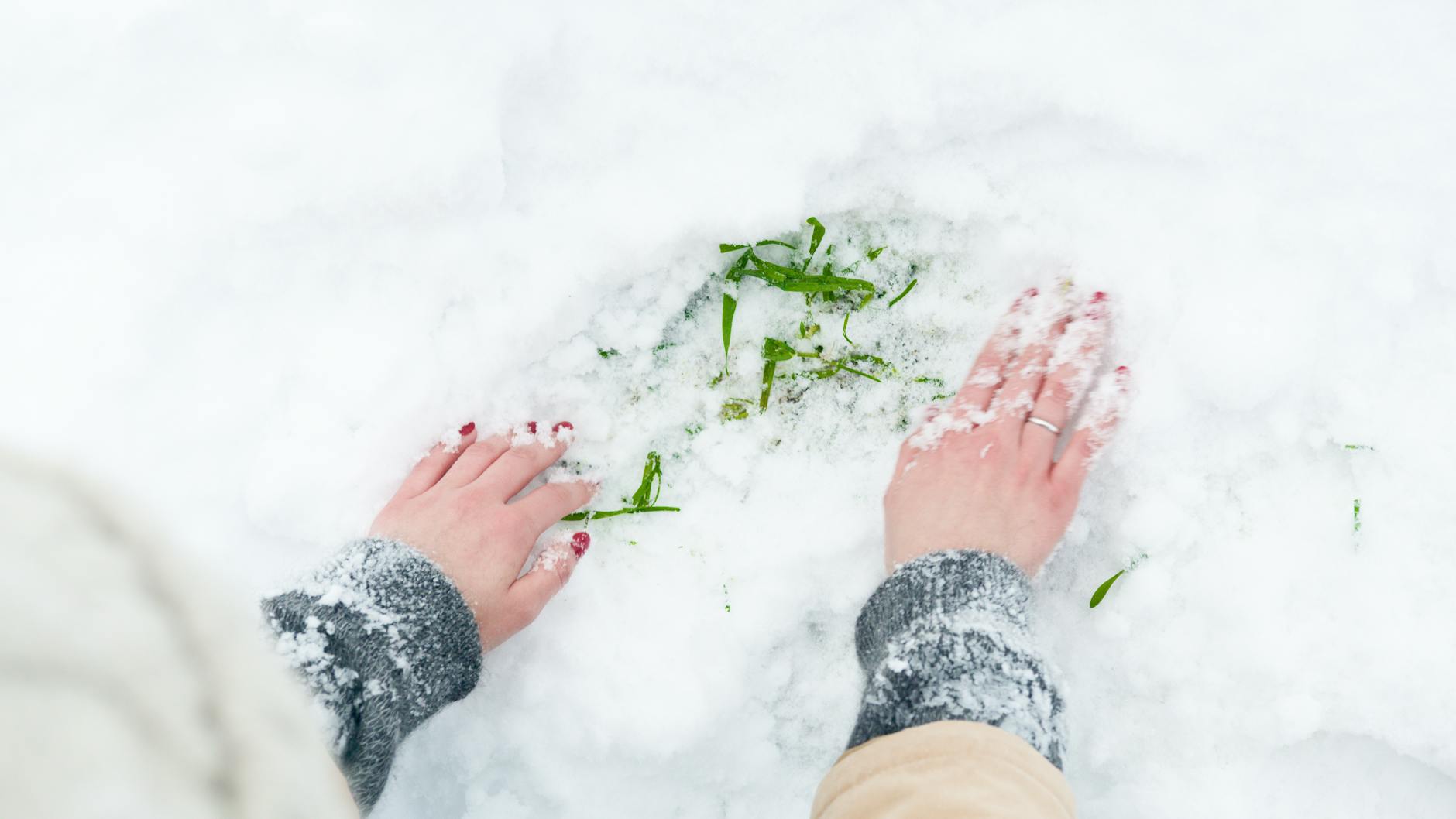
Sarah Cookler, a coach for Team USA, shared her experience coaching ski mountaineering during an unseasonably warm period in the Pyrenees Mountains in March 2023. "The racecourse had grass on either side due to the melted snow," she said. Competitors had to adapt quickly to the warm conditions, using their training to navigate these new challenges effectively.
Adapting to Artificial Snow
Artificial snow, while seeming like an adequate replacement for natural conditions, presents its own unique set of challenges. Snow hydrologist Noah Molotch explains how machine-made snow differs from its natural counterpart. Artificial snow comes in microbead-like structures that lack the air-filled spaces found in natural snowflakes, resulting in harder surfaces that can lead to faster speeds but riskier falls.
Athletes are advised to adjust their techniques when competing on artificial snow. Softer turns are recommended to prevent digging too deeply into the slushy surface, allowing for better speed maintenance while reducing the chances of falls.
The Ice Rink Advantage
Contrasting with the variable nature of snowy surfaces, indoor ice arenas for figure skating, hockey, and curling tend to provide more controlled conditions. However, even indoor ice quality varies based on factors like humidity and temperature. Kelsey Koelzer, head coach for women’s ice hockey at Arcadia University, notes that players can easily feel if the ice is soft or hard, directly impacting game performance.
The Importance of Ice Quality
Athletes competing in ice sports must be able to read ice quality, as it can enhance or hinder their performance. The versatility of modern rinks provides tailored surfaces for different sports, each requiring specific ice qualities. For instance, snowboarders and hockey players prefer a hard, cold surface, while figure skaters require a softer, warmer ice for better grip.
Unfortunately, the temperature fluctuations experienced in various locations can still lead to inconsistencies, affecting performance. Researchers have noted the variable nature of the ice and its impact on athlete performance may lead to challenging competitions, especially as teams travel to different venues.
Lake Ice: The Hidden Danger
For recreational skiers and skaters, the warming climate has also made frozen ponds and lakes more unpredictable. Research indicates that climate change has resulted in later formation and earlier melting of lake ice, reducing the number of days when the ice is safe for recreational activities. As a result, individuals venturing onto natural ice must tread cautiously, learning the intricacies of ice safety.
Hydrologist Joshua Culpepper emphasizes, "Ice thickness may no longer serve as a reliable indicator of safety." He indicates that thicker layers of white ice can be deceptive and may not guarantee a stable surface for skating.
Enjoying Outdoor Activities Safely
Despite the challenges posed by warming winters, enjoying winter activities outdoors remains possible with proper caution. Former Team USA figure skater Angelina Huang advocates for only skating on recognized safe ice. "Always skate with someone else and ensure the area is monitored for safety," she recommends.
As the climate landscape continues to evolve, so too must the strategies employed by athletes and leisure enthusiasts. Awareness of changing conditions, preparation for shifts in either snow or ice surfaces, and adherence to safety protocols can make winter sports enjoyable and safe.
Conclusion: Embracing Change
Winter sports are not just adapting to technological advancements but also to a rapidly changing climate. As athletes learn to navigate warmer temperatures and modified conditions, their experiences may provide significant insights that promise to reshape the way we think about winter activities.
In this warming world, those hoping to partake in winter sports or leisure activities must adapt. As climate conditions fluctuate, understanding these changes can serve to keep individuals safe while allowing them to make the most of this unique season.