




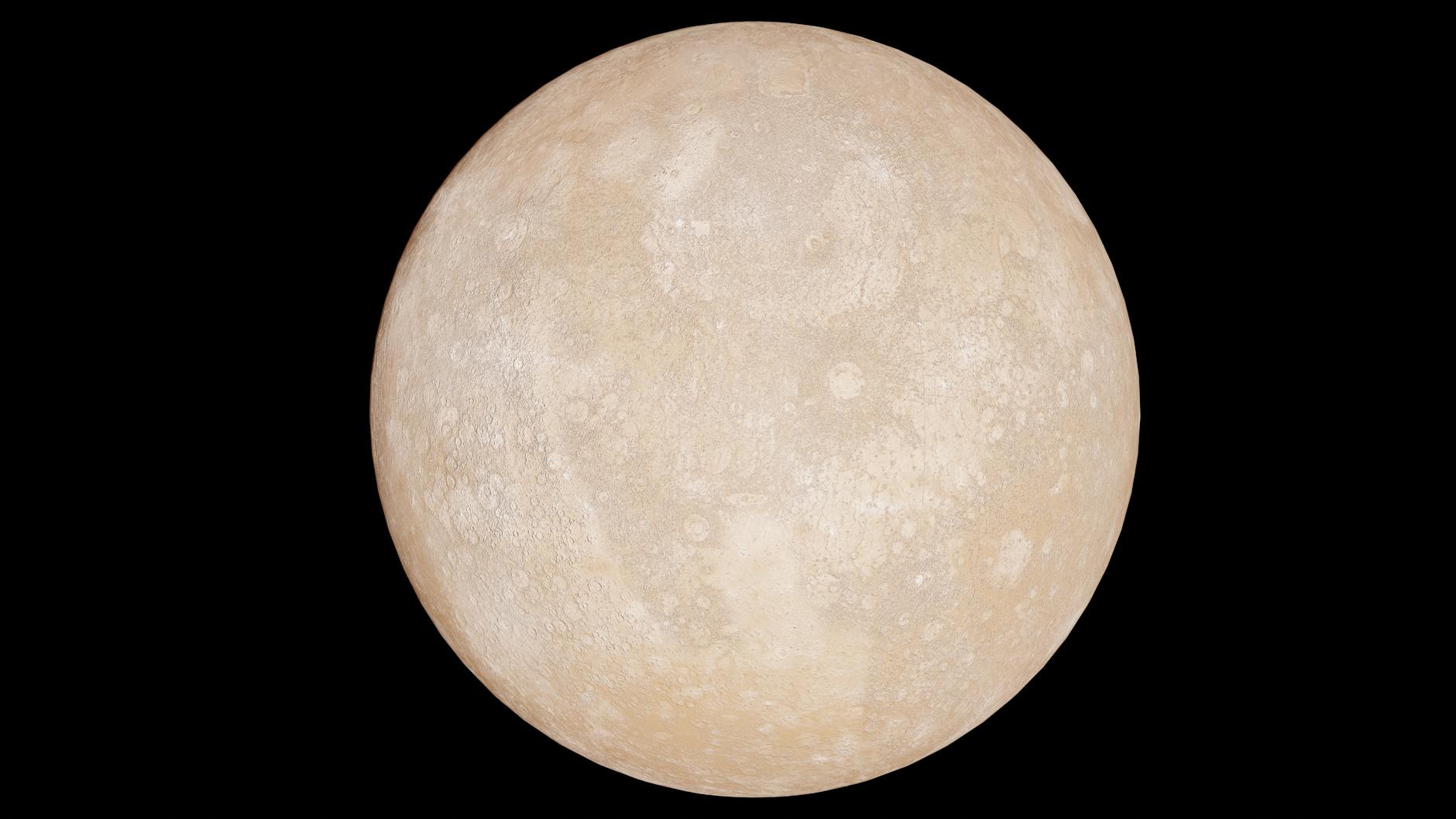
Newly Discovered Asteroid 2025 MN45 Breaks Records as Fastest-Spinning Celestial Body
In a stunning revelation from the world of astronomy, researchers have announced the discovery of a new asteroid that is changing the landscape of our understanding of celestial mechanics. Named 2025 MN45, this asteroid spins at an astonishing rate, completing one full rotation every 112 seconds, making it the fastest-spinning asteroid wider than 500 meters ever recorded. This discovery highlights the capabilities of the newly operational Vera C. Rubin Observatory, which aims to survey the southern sky and uncover the mysteries of our solar system.
What Makes 2025 MN45 So Unique?
During a press conference held on January 7, 2026, astronomer Sarah Greenstreet of the University of Washington detailed the unique characteristics of 2025 MN45. “It’s unlike anything we’ve been able to see before,” she stated. The previous record holders for asteroid rotation periods measured between 30 minutes to an hour, making the rapid spin of 2025 MN45 stand out significantly.
Scientists theorize that the asteroid is likely made of solid rock, as this structural integrity is necessary to withstand the enormous centrifugal forces generated at such high speeds. According to Greenstreet, most large asteroids are composed of loosely bound “rubble piles,” which would disintegrate if they spun faster than once every 2.2 hours.
Rubin Observatory's Breakthrough
The Vera C. Rubin Observatory, located in Chile, has been designed to capture sequential images of the southern sky every few nights for the next decade. This unprecedented surveying capability allows astronomers to track celestial objects that move and evolve over time. According to Greenstreet, the “first look” images released from the observatory showed about 2,100 solar system objects, with 90% previously unobserved.
Measurements of asteroid brightness from these images provided critical insights into the rotation periods of 76 asteroids, revealing that 16 of them spun faster than the established threshold for such objects.
The Importance of Understanding Rotation Speeds
Understanding the rotation speeds of asteroids like 2025 MN45 is essential for multiple reasons. For one, rotation speeds are critical indicators of an object’s internal structure and integrity. Faster spinning asteroids inform scientists about their compositions and historical collisional events within the asteroid belt between Mars and Jupiter.
Greenstreet hypothesized that 2025 MN45 could have originated from a larger parent body, likely liberated during a massive collision, thus indicating the dynamic and interconnected nature of asteroids in our solar system.
A Glimpse into the Future
Greenstreet suggests that many more fast-spinning asteroids could exist within the main asteroid belt, indicating that our current knowledge of these celestial bodies may only scratch the surface. “We think that there could be potentially lots of these speedy spinners,” she remarked, emphasizing the potential wealth of information ready to be uncovered.
As ongoing studies of these celestial objects advance, we can gain better insights into the formation and evolution of our solar system. The discovery of 2025 MN45 represents just the beginning of a new era in asteroid research, opening doors to understanding the complex gravitational dances that define our cosmic neighborhood.
For more exciting developments in planetary science, you can follow our coverage on related topics such as the potential impact of asteroids, the geology of Mars, and ongoing explorations of our solar system.
Stay tuned to our portal for the latest news on astronomy and planetary discoveries, and join us as we venture further into the cosmos.