




Breakthroughs in Medicine: 2025 Marks Hopeful Advances in Patient Care
Dec 26, 2025 — By Meghan Rosen
As we reflect on the year 2025, we recognize a realm of remarkable medical accomplishments that have emerged even amidst significant challenges. Despite a turbulent year for American science, compounded by funding cuts and questions of credibility, innovators in biomedicine have forged ahead, shaping a promising path for future patient care. Here are some pivotal breakthroughs from the past year that illustrate the crucial need for ongoing support in biomedical research.
Revolutionary Treatment for Huntington’s Disease
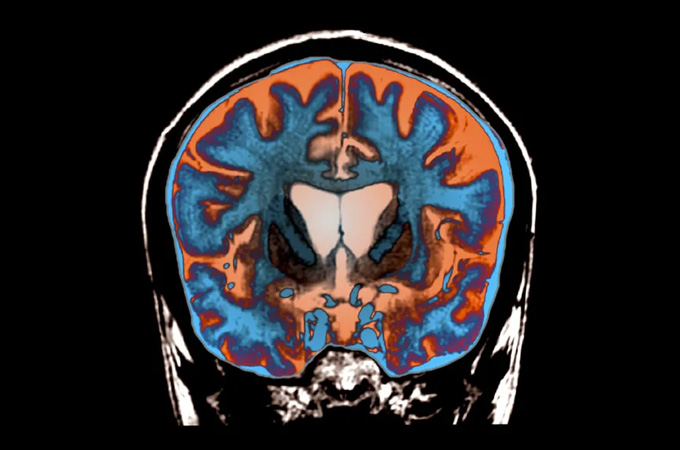
Huntington’s disease stands as one of the most devastating neurological disorders, gradually stripping individuals of the ability to control their movements. Traditionally, options for treatment have been bleak. However, 2025 witnessed a groundbreaking development: an experimental treatment leveraging a virus to deliver RNA capable of inhibiting harmful protein production. This innovative approach has shown to slow the disease's progression by as much as 75%, marking a significant victory for researchers and a beacon of hope for those affected. For more on this study, click here.
Personalized Gene Therapy: A Milestone for Rare Disorders

In a heartwarming tale of medical ingenuity, a baby named KJ Muldoon became the first recipient of custom-designed gene therapy targeting a rare metabolic disorder. Afflicted by a genetic mutation causing life-threatening ammonia accumulation, KJ's condition was successfully rectified with a tailored CRISPR-based approach that replaced the offending mutation with the correct genetic code. His incredible recovery is setting the stage for new clinical trials aiming to bring similar personalized treatments to other patients battling rare diseases. Discover KJ's full story here.
Shingles Vaccine: An Unexpected Ally Against Dementia
In an unexpected twist, research in 2025 has begun to suggest that the shingles vaccine may do more than prevent the painful rash caused by the varicella-zoster virus. Emerging studies have indicated that recipients of the shingles vaccine could be 20% less likely to develop dementia, as evidenced by data from Wales and supportive findings from related studies in Australia. Not only does this provide new avenues for dementia prevention, but it also indicates potential benefits in slowing the progression of existing dementia cases. To delve deeper into this surprising connection, read more here.
Historic Successful Bladder Transplant
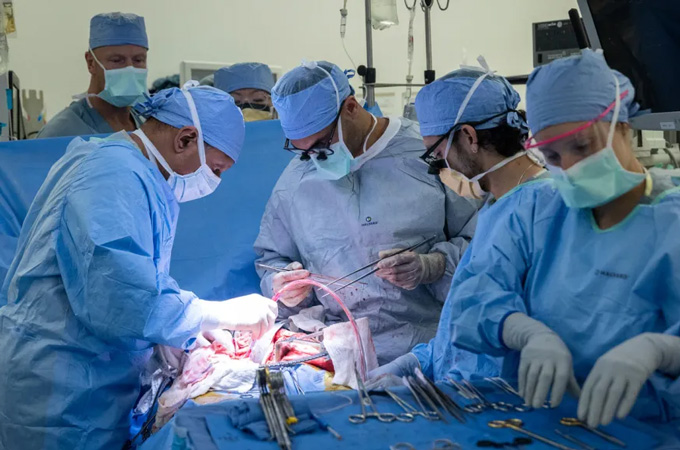
A significant leap in organ transplantation was achieved in 2025 with the successful completion of the first human bladder transplant. This groundbreaking surgery conducted at the University of Southern California overcomes the complexities associated with reattaching the intricate network of nerves and blood vessels that sustain bladder function. While ongoing monitoring will determine the long-term viability of the transplanted organ, this achievement signifies potential new horizons for patients suffering from terminal bladder conditions. More on this pioneering procedure can be found here.
mRNA COVID Vaccines: A Surprising Benefit in Cancer Treatment
Recent studies have uncovered a synergistic potential between mRNA COVID vaccines and certain cancer immunotherapies. Data indicates that vaccinated patients with lung or skin cancer who received immunotherapy experienced improved survival rates compared to their unvaccinated counterparts. This finding suggests the mRNA technology—originally developed to counter COVID-19—may provide an unexpected boost to cancer treatments by enhancing the immune system's ability to combat tumors. To learn more about this breakthrough, please click here.
RSV: Significant Progress in Protecting Infants

2025 brought hopeful news for newborns at risk of severe respiratory syncytial virus (RSV) infections. The introduction of a maternal vaccine, combined with an antibody treatment, has been linked to a notable decrease in RSV hospitalization rates among infants. This advance stands vital as RSV is the leading cause of infant hospitalization in the United States. However, the ongoing scrutiny of these preventative measures poses future challenges, particularly in the face of vaccine skepticism. Stay informed about developments in this area here.
Conclusion
The milestones achieved in 2025 offered a glimpse of the future of medicine, underscoring the resilience of researchers and the transformative power of innovation in healthcare. As we move forward, it is imperative to recognize the importance of ongoing support for biomedical research to harness these breakthroughs for the betterment of patient lives. With advancements like those seen this year, hope for more effective treatments and potentially curative therapies continues to grow. For a broader understanding of these and similar health stories, explore our full range of articles on Health & Medicine.