




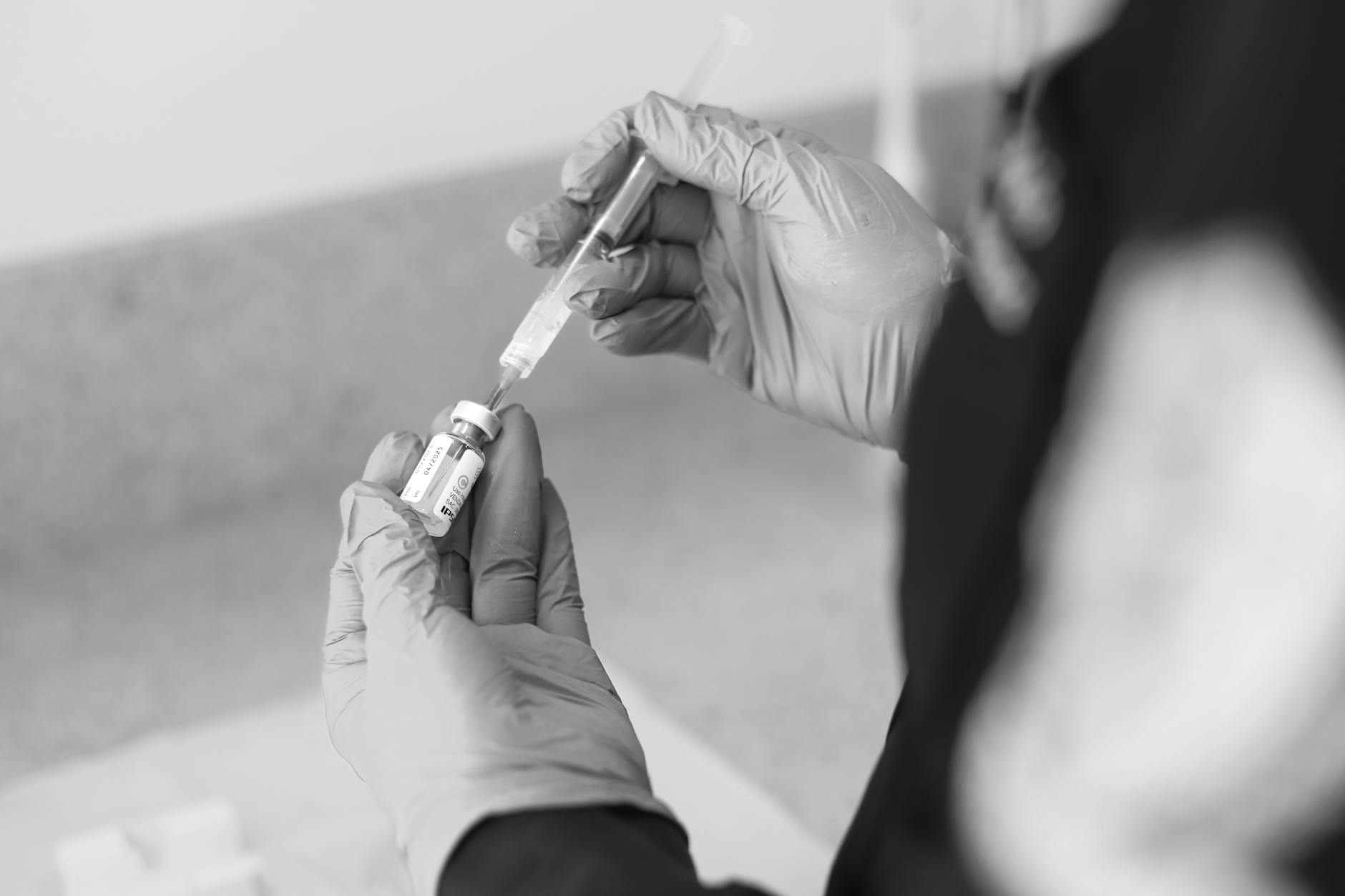
Botox: A Potential Ally in the Fight Against Snakebite Venom
In a surprising twist in medical research, scientists have proposed that botulinum toxin, commonly known for its cosmetic uses, may serve as a valuable treatment for the devastating effects of snakebites. According to compelling preliminary findings published in the journal Toxicon, botulinum toxin could help mitigate the catastrophic muscle damage often inflicted by venom from various snake species, including the venomous Chinese moccasin.
The Need for Effective Snakebite Treatments
Every year, snakebites account for more than 100,000 deaths globally, with countless survivors facing permanent disabilities, such as the loss of limbs. The venom from these snakes can lead to rapid swelling, inflammation, and tissue death, creating a desperate need for effective treatments. Current options are limited, with traditional antivenoms often failing to address the extensive local tissue damage caused by venom. As emphasized by herpetologist David Williams from the World Health Organization, a "critical need for intellectual and fiscal investment" exists to develop timely, effective treatments that can offer relief across diverse snake species.
A Promising Laboratory Study
Undertaking innovative research, a team led by medical toxicologist Pin Lan from Lishui Central Hospital in China sought to explore whether botulinum toxin could provide a solution. Their study involved 22 rabbits who were split into three groups to receive different injections: two groups received venom from a Chinese moccasin—one with additional botulinum toxin and the other with saline as a control.
Results were striking. The rabbits treated solely with venom exhibited significant swelling and muscle damage, while those who received botulinum toxin showed minimal swelling and reduced muscle death. Lan's research indicated that the neurotoxin could effectively dampen the body’s inflammatory response triggered by venom.
Rossetto, a neurobiologist at the University of Padua, noted that traditional antivenoms neutralize circulating toxins but do not reverse local inflammatory cascades—highlighting botulinum toxin's potential role in future snakebite therapies.
Mechanisms of Action
The study's findings also revealed changes in macrophage populations at the site of injury. Macrophages are critical immune cells that manage inflammation and tissue repair. Rabbits receiving the botulinum toxin saw a shift toward a higher presence of M2 macrophages, which focus on tissue repair, while the inflammatory M1 macrophages were reduced.
The researchers hypothesized that botulinum toxin may toggle macrophages' inflammatory settings, aiding in managing the body's immune response by promoting healing rather than exacerbating tissue damage.
Looking Ahead: The Future of Snakebite Treatment
Despite these promising developments, both Williams and Rossetto advocate for further research before considering clinical trials involving humans. Nonetheless, these findings may pave the way for an innovative combination therapy in snakebite management that includes both antivenom and botulinum toxin.
As the global health challenge of snakebites persists, the potential of repurposing existing treatments like Botox provides a glimmer of hope, potentially transforming how we approach and manage this life-threatening injury. One can only hope that this line of research continues to unfold, bringing about new solutions that could save lives and restore health to countless individuals affected by snakebites.
For additional insights into health innovations and breakthroughs, stay tuned for more stories from Science News.