




Vampire Bats May Be the Next Avian Flu Wild Card
LIMA, PERU – New research has identified a concerning trend: vampire bats in Peru are being found with antibodies for H5N1, the avian influenza virus also known as bird flu. This revelation raises alarms for public health officials as it suggests that these mammals could play a crucial role in the evolution and potential spread of the virus among animal populations and, possibly, humans.
The Discovery
On November 11, 2025, a study published on bioRxiv.org revealed that over a dozen vampire bats (Desmodus rotundus) tested positive for antibodies indicating prior exposure to the H5N1 virus. The implications of the study concern experts like Vincent Munster, a virus ecologist at the Rocky Mountain Laboratories in Hamilton, Montana, who stated, “It’s very worrisome.” Each time the highly pathogenic avian flu jumps to a new host, it opens up opportunities for further mutations.
Broader Implications for Bats
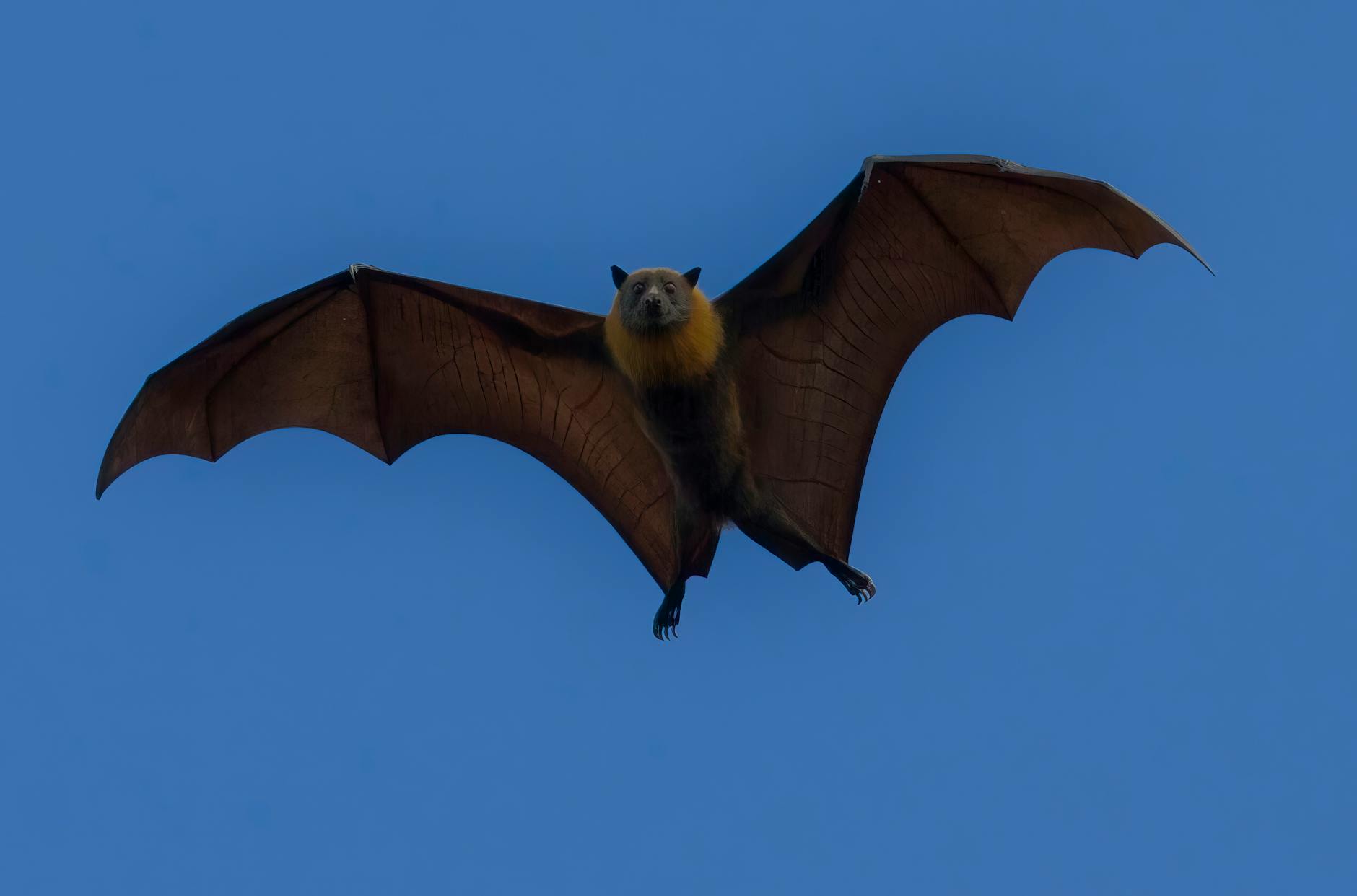
Beyond vampire bats, preliminary studies from Bangladesh revealed that 16 flying foxes, large fruit-eating bats, may also have died from bird flu. Gregory Gray, an infectious diseases epidemiologist at the University of Texas Medical Branch in Galveston, highlighted that if multiple bat species can host the virus, they may serve as reservoirs, amplifying risks of transmission to both livestock and humans.
The Research Journey of Dr. I-Ting Tu
Wildlife veterinarian Dr. I-Ting Tu relocated to Peru to investigate potential viruses that vampire bats could transmit to marine life. Her research gained urgency in light of the sweeping H5N1 outbreaks across South America, which have decimated populations, killing at least 560,000 seabirds and 10,000 sea lions in Peru alone. In her quest, Tu and her team collected blood samples from hundreds of bats in various habitats.
This meticulous research came with challenges, as Tu recounts being bitten multiple times by the bats. The phrase “blood and tears” takes on a literal meaning, as she worked tirelessly under emotionally taxing conditions, even commemorating one of her biting injuries with a tattoo.
Infection Dynamics
The team found no genetic material of H5N1 in the bats, possibly because the samples were taken after the bats had cleared the virus. However, they confirmed that the bats had antibodies against H5N1, indicating prior infection. With the alarming revelation that 14 infected bats had fed exclusively on marine animals during the outbreak, concerns deepen about potential cross-species transmission.
Susana Cárdenas-Alayza, a co-author of the study, noted that the vampire bats target mucosal areas of marine creatures, which could harbor the virus. Cárdenas-Alayza described the environmental conditions during the outbreak as "apocalyptic," with sick animals dotting the landscape.
Understanding the Virus's Potential Pathways
Daniel Streicker, a disease ecologist and co-author of the study, expressed the need for urgency in evaluating the virus’s capacity to replicate in bats and its transmissibility among different species. He identified that the research indicated the virus could attach to various tissues in bats but transmission appeared limited to those feeding on marine animals. Nonetheless, he emphasized that the findings warrant further studies to confirm these initial conclusions.
As marine life continues to experience recurrent bird flu outbreaks, the potential for repeated H5N1 transmission from marine animals to vampire bats could lead to new pathways for the virus to establish itself in novel hosts.
The Future of Research
Scientists are now faced with pressing questions: how many other avian influenza viruses might bats carry? Gray insisted on reinforcing surveillance and monitoring to better understand possible virus crossover into domestic animals, especially since increased interactions between bats and livestock could pose significant risks.
For now, the discovery that vampire bats are involved in the transmission dynamics of H5N1 adds a layer of complexity to the management of bird flu. As research continues, scientists remain vigilant for any signs that this virus may evolve in ways that pose direct risks to humans.
Read more about the implications of animal viruses on human health in our coverage of emerging infectious diseases.
For updates on this ongoing research and related health topics, follow our news portal or subscribe for the latest news direct to your inbox.