




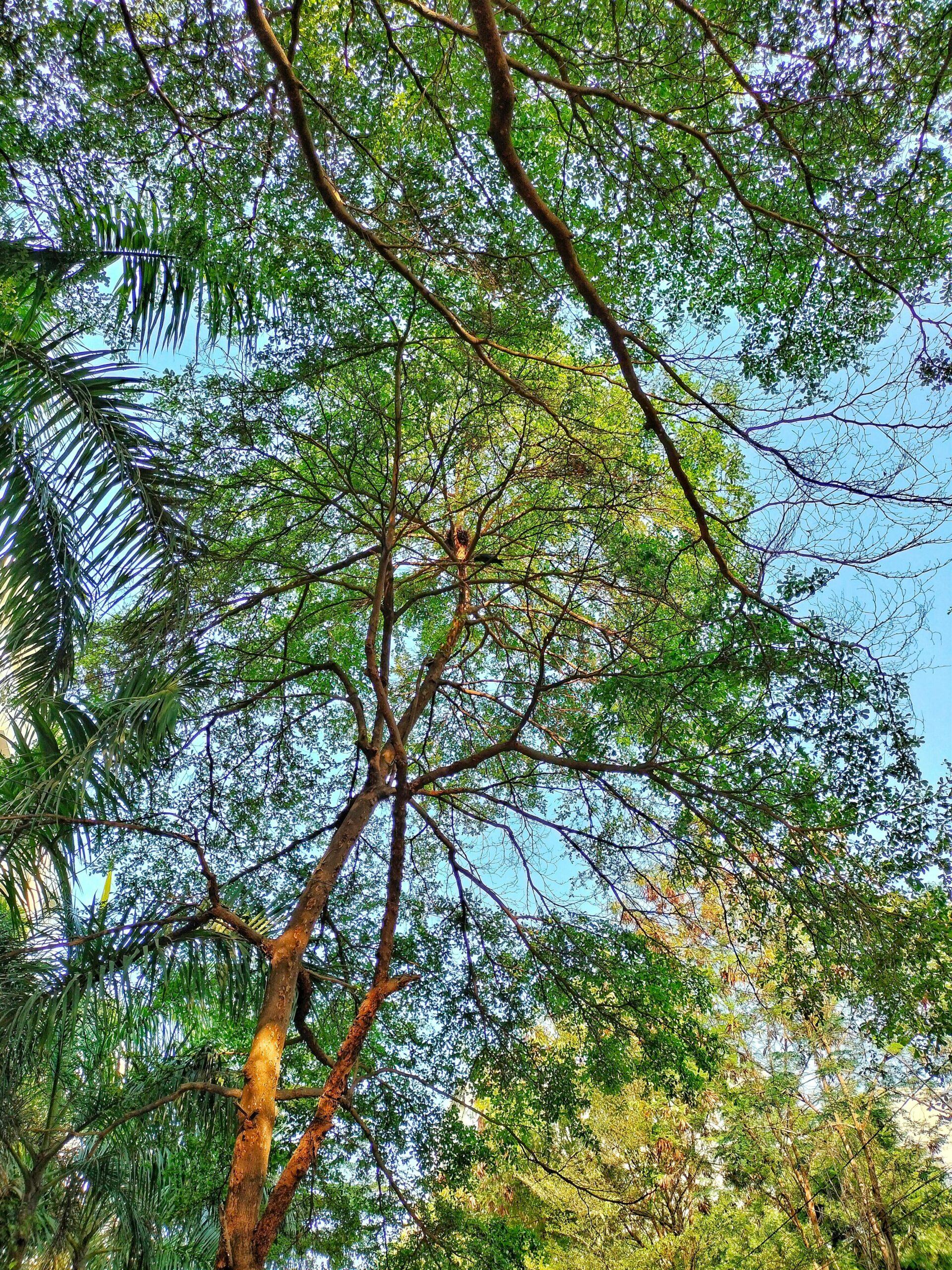
Tropical Trees Utilize Lightning Strikes to Gain Competitive Edge
In a surprising twist of nature, a specific species of tropical tree is discovered to flourish thanks to lightning strikes rather than suffer from them. These trees, known as *Dipteryx oleifera*, or almendro, leverage their physical characteristics to act as natural lightning rods. When struck, they not only endure the electrical jolt but also emerge with valuable advantages against rival flora in the dense jungles of Central America.
Researchers from the Barro Colorado Nature Monument in Panama have conducted extensive studies over several years to understand lightning’s effects on forest ecosystems. Utilizing advanced technology, including camera arrays and drones, the team meticulously monitored lightning strikes and evaluated their consequences on the surrounding environment. Contrary to initial expectations that lightning would solely harm trees, it became evident that the almendro trees were thriving in the aftermath.
In a notable event from 2019, a bolt of lightning struck a *D. oleifera* that was heavily entwined with parasitic vines, producing a dramatic scene of destruction. This strike not only obliterated a large number of competing trees—115 in total—but also eradicated the liana vines that restricted the almendro’s growth. Miraculously, the almendro itself remained largely unharmed, fostering questions about its remarkable resilience.
To investigate this phenomenon further, scientists examined data from 93 trees that experienced lightning strikes, including nine specimens of *D. oleifera*. After two years, the results were strikingly clear: the almendro trees exhibited no detrimental effects, going on to thrive, while other species faced a mortality rate exceeding 50 percent. The tree’s unique attributes play a crucial role in this resilience; aside from minor leaf damage, *D. oleifera* appears to handle the electrical surge well, which subsequently wipes out the parasitic lianas that hinder its growth.
The mechanism behind this remarkable survival and competitive strategy remains a dynamic area of inquiry. Some hypotheses suggest that the tree’s wood possesses low electrical resistance, enabling safe conduction of electricity to the ground without the risk of overheating. Alternatively, its crown architecture might play a part in redirecting electrical energy away from the trunk, consequently impacting neighboring vegetation negatively.
The compelling advantages of lightning strikes extend beyond mere survival. Preliminary findings indicate that these strikes could enhance the almendro tree’s reproductive success significantly, amplifying it by as much as 14 times. Furthermore, with taller growth and broader crowns, *D. oleifera* trees are shown to be more attractive to lightning, resulting in an average of five strikes over a typical lifespan of 300 years.
The research team faced challenges in establishing a definitive connection between lightning strikes and their ecological effects due to the transient nature of these events. Each lightning strike lasts only milliseconds, while the mortality and changes in flora manifest over months, making long-term observation essential to draw accurate conclusions.
This unexpected revelation about tropical trees highlights a fascinating interplay between natural phenomena and ecological survival strategies, prompting further exploration into the ways trees adapt and thrive in competitive environments. Understanding the specific adaptations of the almendro may not only deepen our knowledge of these tropical ecosystems but may also provide insight into their resilience against climate change and other environmental challenges.