




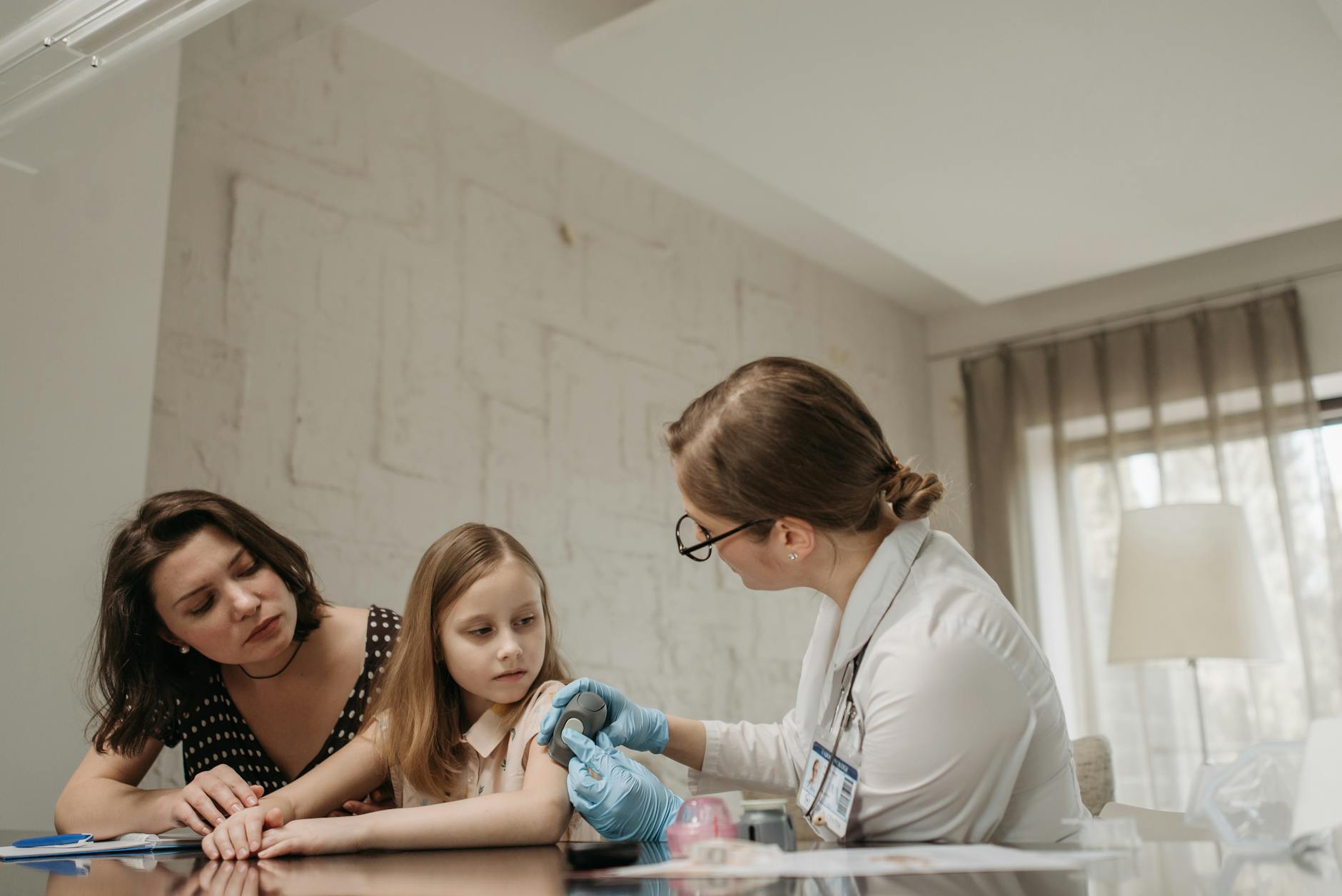
Pediatrician Stands firm Amid Changing Vaccine Policies: A Look at the Impact on Child Health
As the landscape of vaccine policy continues to shift under the changing political climate, pediatricians are finding themselves at the forefront of navigating these turbulent waters. Dr. Molly O’Shea, a seasoned pediatrician with 33 years of experience, offers insight into the challenges families face in this current vaccine discourse marked by heightened skepticism and policy alterations.
A Shifting Vaccine Landscape
The recent decision by the Trump administration in January to reduce the number of recommended childhood vaccinations sent shockwaves through the medical community. Among those affected was the rotavirus vaccine, crucial for preventing severe diarrheal illnesses in infants—a situation Dr. O’Shea recalls vividly from her early medical training.
“It was devastating to watch an infant die from a preventable illness,” she reflects, recalling the loss of a child due to rotavirus before the vaccine's introduction. Thankfully, a federal judge intervened in March, blocking the administration's policy changes by affirming that established vaccination schedules, developed over decades of research, must prevail.
Judge Brian Murphy emphasized the importance of scientific methodology in health policies, stating that the government's disregard for established protocols jeopardizes public health. "This ruling is really important because it means that all kids can be protected from these vaccine-preventable illnesses," Dr. O’Shea explains, hopeful that the legal decision will help restore public trust in vaccinations.
Addressing Hesitancy and Emerging Concerns
The landscape of vaccine hesitancy appears to be evolving. While fears previously centered around false claims linking vaccines to autism—originating from a debunked study—new concerns have emerged under the Trump administration, as Dr. O’Shea notes, particularly related to the safety of vaccine ingredients viewed through the “toxin mindset.”
Families express growing anxiety about chemical exposures and their potential health implications, drawing parallels to current research on harmful substances like per- and polyfluoroalkyl substances (PFAS) and microplastics. “The components of vaccines have been consistent over time, and researchers haven’t found worrying connections to health conditions,” Dr. O’Shea reassures. However, she warns that the risk of disease itself remains immediate and very real.
Dr. O'Shea observes that some families now challenge the legitimacy of scientific evidence, claiming it has been “quashed.” A large part of her work has become about rebuilding that trust, which she acknowledges as a gradual process that requires open conversations with families.
Polls Provide Mixed Messages
Despite rising concerns, recent polls from the Pew Research Center indicate that a significant portion of the population retains confidence in vaccines. Approximately 63% of Americans express strong belief in the effectiveness of childhood vaccinations. However, KFF polling reveals that among those aware of the changes to vaccine schedules, over half felt these alterations could negatively impact children's health.
This uncertainty is matched by emerging data indicating a troubling trend: kindergarten vaccination rates have seen declines. Reports noted a drop in hepatitis B vaccinations from 83.5% to 73% in a year, raising alarm bells over the potential resurgence of diseases like measles, which requires approximately 95% vaccination coverage to prevent outbreaks.
A recent measles outbreak in South Carolina, primarily affecting unvaccinated individuals, underscores the stakes involved. The situation in Spartanburg County, where MMR vaccinations are below the threshold, highlights the urgent need for communities to maintain high vaccination rates to protect public health.
Building Bridges with Parents
Dr. O’Shea emphasizes the importance of continuous engagement with families, particularly concerning vaccine education. “It’s vital to validate parents’ concerns while providing scientific insights into the benefits of vaccinations,” she stated. She encourages families to discuss their fears openly, allowing for constructive dialogues that enhance understanding.
“It’s important to make sure everybody is heard,” Dr. O’Shea stresses, while drawing attention to the importance of regular wellness visits, which are not just about vaccinations but fostering ongoing relationships with both children and their parents.
As pediatricians like Dr. O’Shea strive to bridge the gap between scientific recommendations and parental concerns, she underscores that the vaccination schedule is meticulously designed to align with a child's developing immune system, maximizing protection from preventable diseases.
Resources for Parents Seeking Information
In the face of policy changes and rising vaccine hesitancy, parents seeking clarity can refer to recommendations from well-regarded medical organizations that adhere to previous vaccination protocols. Here are three valuable resources:
- American Academy of Pediatrics
- American Academy of Family Physicians
- Children’s Hospital of Philadelphia
As the legal battle over vaccination policies unfolds, the commitment of pediatricians like Dr. O’Shea to advocate for children’s health and reliable vaccine education remains crucial. Ensuring that children are protected from preventable diseases is an ongoing battle deserving of serious and informed dialogue within families and communities.