



New Evidence Suggests Massive Dark Matter Blob Located Near the Milky Way
In a groundbreaking discovery, scientists have uncovered evidence of a colossal clump of dark matter lurking just outside our solar system, an object whose mass is estimated to be about 10 million times that of the Sun. This invisible entity, sitting approximately 3,260 light-years away from Earth, could significantly reshape our understanding of dark matter and its role in the universe.
The Search for Dark Matter
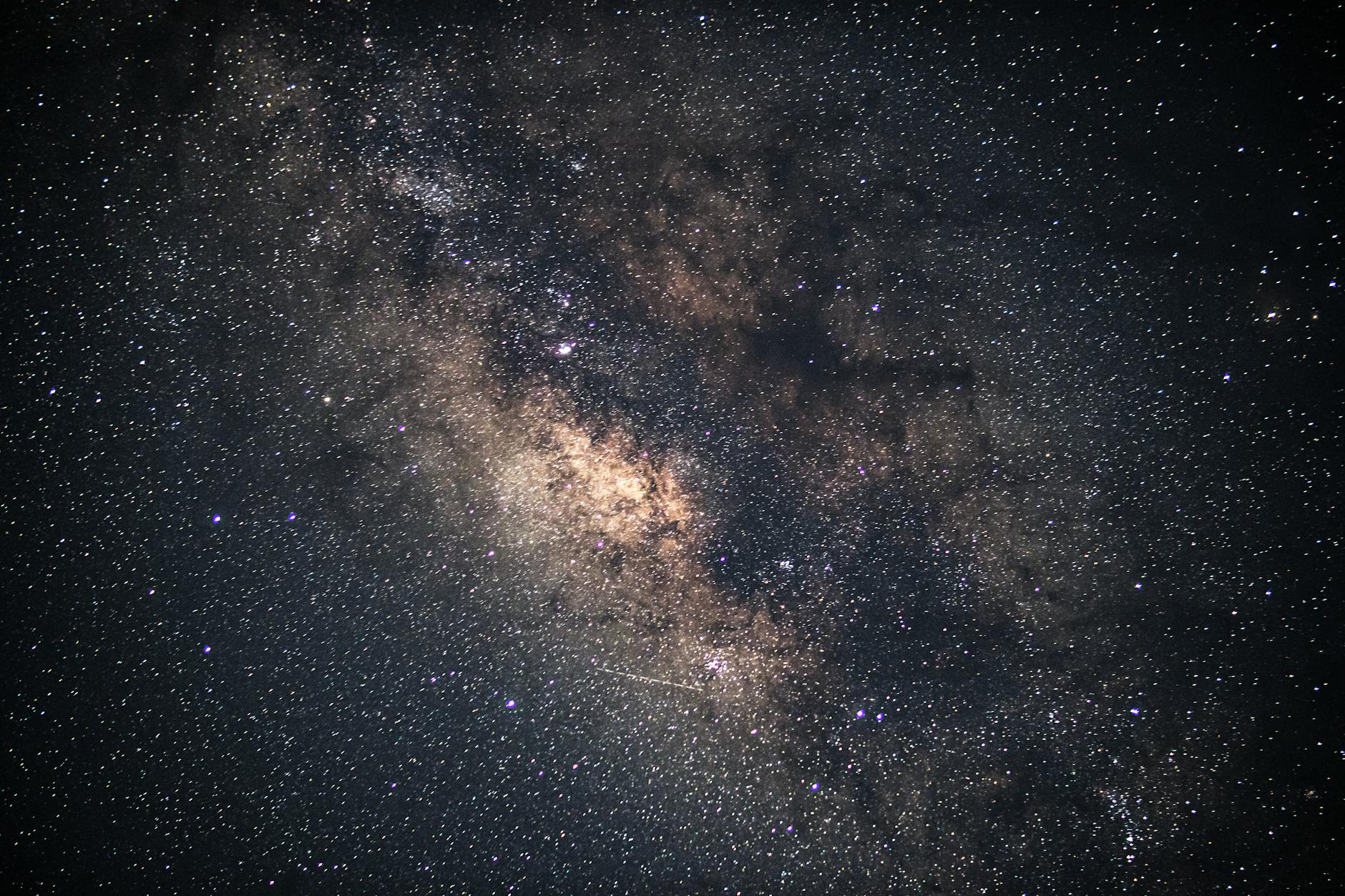
Dark matter, a mysterious and unidentified form of matter that does not emit, absorb, or reflect light, has long been a subject of study in astrophysics. Scientists can infer the existence of dark matter primarily through its gravitational effects on visible matter. Our Milky Way galaxy is surrounded by a vast dark matter halo, and it’s theorized that many smaller clumps of dark matter, known as "subhalos," exist within that halo.
Clues from Pulsars
This recent discovery stems from detailed observations of pulsars—rapidly rotating neutron stars that emit beams of electromagnetic radiation. These pulsars serve as cosmic clocks, offering highly consistent pulses that allow astronomers to study gravitational influences in their vicinity. A team of researchers studied 53 pulsars and noticed that two pulsars, in particular, experienced a shift in their pulse rate indicative of the gravitational pull from a massive object.
To refine their estimates, the team included a total of 19 pulsars in their analysis, confirming that there were no nearby stars or gas clouds that could explain their observations, thereby leading them to conclude that dark matter was the most probable source.
Implications for Dark Matter Research
Astrophysicist Sukanya Chakrabarti from the University of Alabama in Huntsville articulated the significance of mapping out the Milky Way's subhalos. She emphasized that understanding the distribution of dark matter subhalos across the galaxy is crucial to pinpoint the characteristics of dark matter itself. "That’s the final goal. That’s what we’re after," said Chakrabarti.
The distribution and behavior of dark matter remain pivotal in forming theories about its nature. Different models of dark matter suggest varied distributions of these subhalos, and the identification of more clumps could help scientists determine which dark matter theories hold more water.
Why This Discovery Matters
Finding this massive clump of dark matter could provide critical insights into the composition and dynamics of our galaxy and the universe at large. Dark matter is believed to make up about 85% of the universe’s total mass, yet it remains elusive to direct detection methods. Each discovery, like this latest one, brings scientists one step closer to unraveling the mysteries surrounding dark matter's elusive nature.
Conclusion
The potential existence of a dark matter clump near the Sun opens a new chapter in astrophysics, providing a tangible target for further studies. As technology and methods evolve, the chance to explore these enigmatic aspects of our universe becomes more accessible, nudging us closer to understanding the forces that govern all matter.
For further reading on dark matter and its repercussions in modern astronomy, explore more articles in the Science News archives.
Stay tuned for more updates as researchers continue to delve into this cosmic mystery!