



Nature’s Nozzle: How Mosquito Proboscises are Revolutionizing 3D Printing
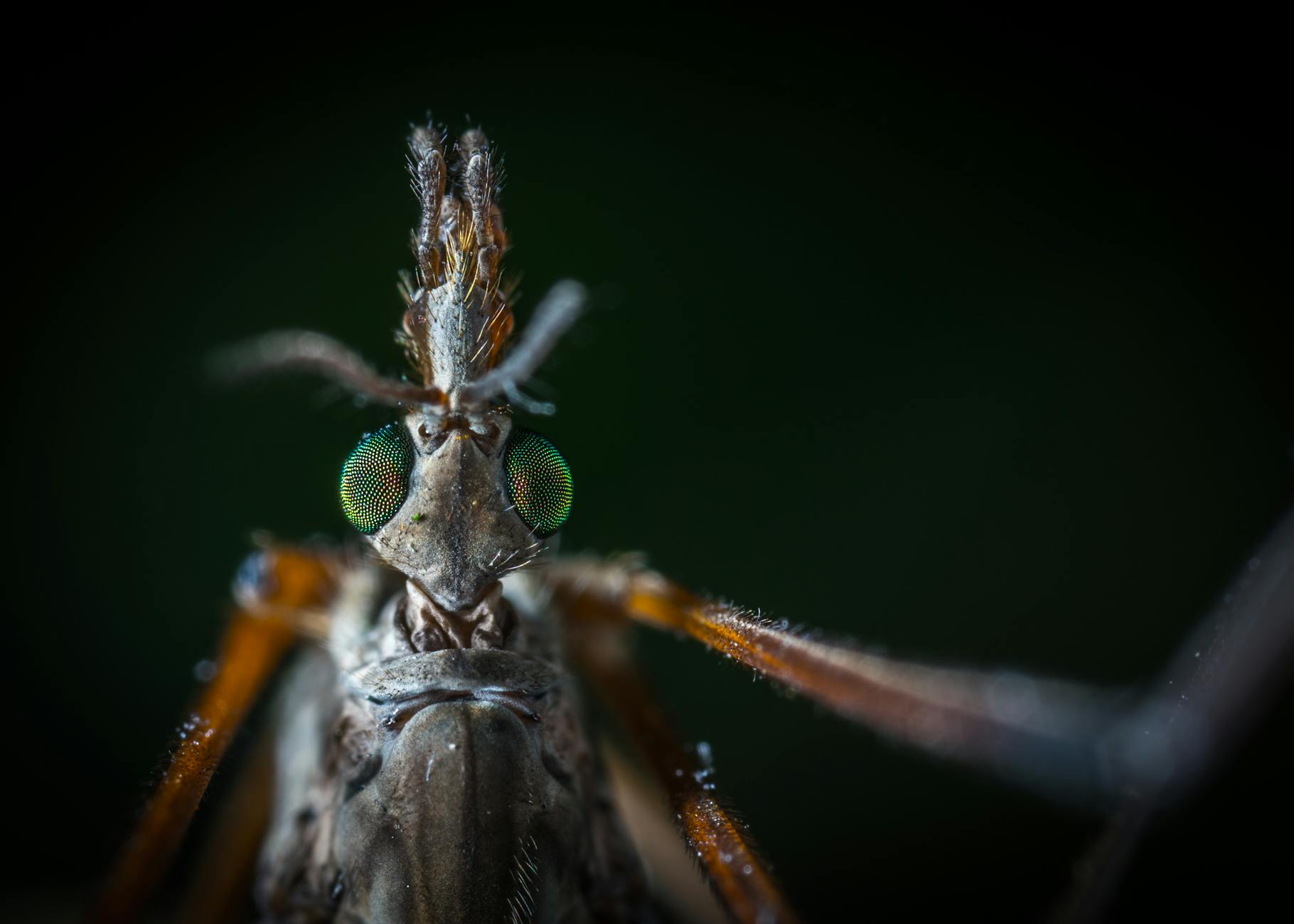
In a groundbreaking study recently published in Science Advances, researchers have discovered that the proboscis of the female Aedes aegypti mosquito is not only a specialized tool for sucking blood but also a highly efficient nozzle for fine 3D printing. This novel approach, termed "3-D necroprinting," could redefine the capabilities and sustainability of additive manufacturing by utilizing features found in nature.
The Discovery of Mosquito Proboscises as 3D Printing Nozzles
Mechanical engineer Changhong Cao and his team at McGill University have identified the unique geometry and mechanics of the mosquito's proboscis as ideal for 3D printing intricate designs. With an inner diameter ranging between 10 and 20 micrometers—approximately half the width of a human hair—the proboscis supports the precise ejection of materials needed for fine printing.
Cao's research stemmed from the challenge of obtaining high-quality print nozzles. Conventional dispense tips can be both costly and hard to manufacture. By leveraging a naturally occurring structure, this research aims to "democratize" the practice of 3D printing, lowering costs and opening opportunities for smaller entities to engage in advanced manufacturing.
What is 3-D Necroprinting?
The term "3-D necroprinting" draws inspiration from the field of necrobotics, which employs animal remnants to create functional machines—like spider legs re-purposed for robotic mechanisms. In this context, the mosquito's proboscis serves as a substitute for licensed premium engineering components.
The research demonstrated capabilities of printing highly detailed structures such as a honeycomb and a maple leaf, all created from commercially available bioinks. This capability proves the proboscis’s potential not just for 3D printing, but for numerous applications in fields like biotechnology.
Tailoring Technology Around Nature
Initially, the researchers aimed to incorporate the proboscis into a commercially available 3D printer. However, it became evident that the intense pressure required for effective printing would exceed the capacity of standard machines. Consequently, the team designed a custom printer around the proboscis, reinforcing it with a 3D resin while connecting it to an engineered tip for a seamless ink flow.
Jianyu Li, a co-author of the study and biomaterials engineer at McGill, claimed that the biological components outperformed engineered materials traditionally used in 3D printing. The quality of the output was notably superior, as the best current commercial dispense tips offer diameters of 35 to 40 micrometers—significantly larger than the advantageous size of the mosquito proboscis.
Implications for Biomedical Applications
Cao's team is now eager to translate these findings into real-world applications, particularly in drug delivery systems. The concept of utilizing the mosquito proboscis as a microneedle holds promise for new forms of medical treatments that require high precision.
Daniel Preston, a mechanical engineer at Rice University who was not involved in the study, expressed enthusiasm for the untapped potential of integrating biotic materials in advanced microengineering.
Conclusion: A Sustainable Future
The innovations emerging from the study of mosquito proboscises not only highlight the intricate designs nature has perfected but also signal a more sustainable future for 3D printing. By substituting traditional engineering components with biological parts, the field could see reduced environmental impacts and improved efficiency.
As researchers continue to explore nature's remarkable designs for practical applications, we may witness the rise of a new era in manufacturing—one that embraces the complex interplay between biology and engineering. For more information on this research, visit Science Advances.