




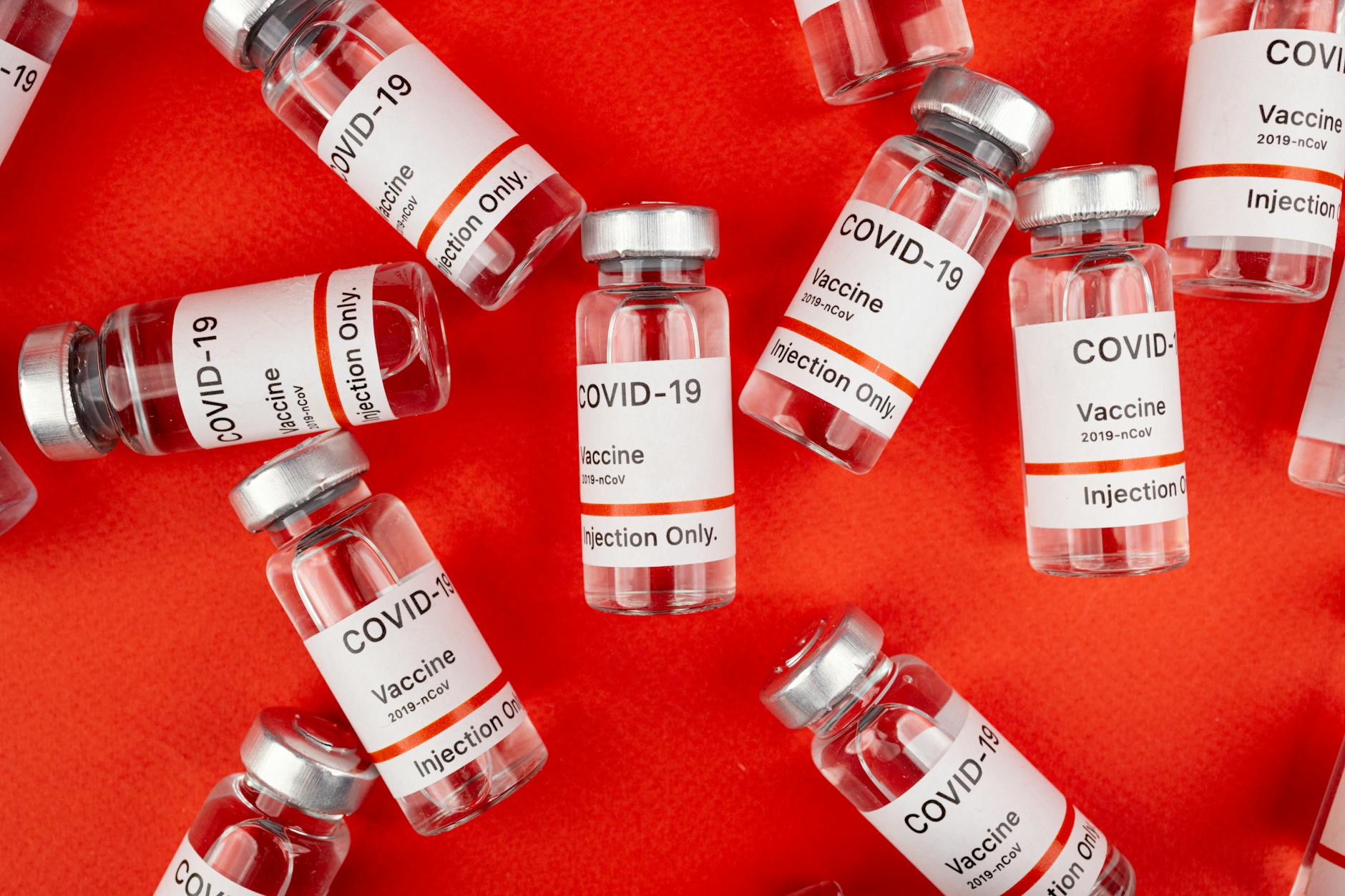
Groundbreaking Vaccination Efforts Aim to Protect Endangered Wildlife from Disease
As wildlife continues to face unprecedented threats from infectious diseases, innovative vaccination programs are emerging as a vital tool for species conservation. These initiatives manifest through various trials across the globe, where vaccines aim to shield vulnerable animals from both common and emerging pathogens. Notably, the significant developments stemming from the experiences of species like the king penguin and koala exemplify the positive impact of vaccination in conservation strategies.
Vaccines on the Frontline: A Case Study in the Crozet Islands
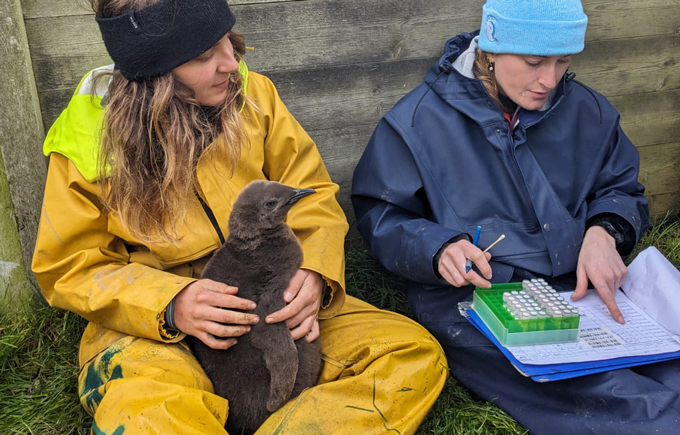
In a remarkable vaccination trial, scientists led by disease ecologist Thierry Boulinier have been administering flu shots to young king penguins in the Crozet Islands, a sub-Antarctic archipelago. The urgent need for this intervention emerged when a lethal strain of avian influenza, H5N1, hit the region in 2024, decimating populations of southern elephant seals and various bird species.
Boulinier's research team had been conducting preliminary tests on these king penguins, aiming to fortify their defenses against the invading virus. "Vaccinating vulnerable wild birds such as the Northern rockhopper penguin or the Amsterdam albatross might safeguard them from the deadly virus," Boulinier stated, emphasizing the potential of vaccines in the conservation field.
During trials, 30 young king penguin chicks were vaccinated, and follow-up evaluations demonstrated a strong immune response without any adverse effects. Though it remains uncertain whether the vaccine successfully protected the birds during the harsh outbreak, such preliminary results signal a pivotal move toward immunizing at-risk wildlife populations.
Koalas: A Long-Awaited Chlamydia Vaccine
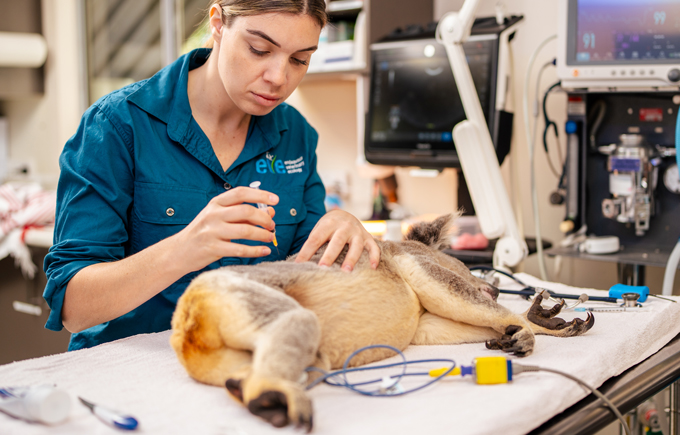
Australia's koala population has been beset by numerous threats, among them the damaging effects of chlamydia. Recently, Australian regulatory bodies approved a vaccine two years in the making to combat this bacterial infection, which leads to infertility and blindness in koalas.
Molecular biologist Nina Pollak explains that beyond disease, various stressors such as habitat loss and climate change aggravate these infections. "If koalas get stressed, they are less resilient against disease," Pollak noted. This new vaccine aims to stabilize the population by preventing severe infections before they start.
Despite its potential, researchers face challenges with distribution, as accessing the widely dispersed koala populations in their natural habitats can be a daunting task. Funding and logistical support will be pivotal in ensuring equitable vaccine access among koalas, especially those that might benefit the most.
Elephants and EEHV: A New Horizon for Protection
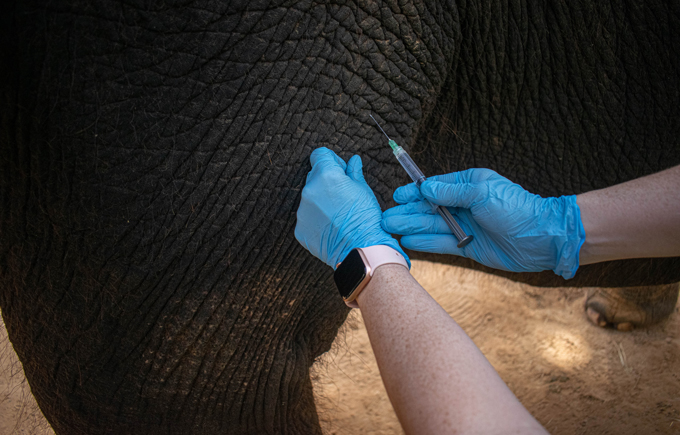
In a separate initiative, scientists at the Cincinnati Zoo successfully administered a vaccine targeting the elephant endotheliotropic herpesvirus (EEHV), which is particularly deadly for young Asian elephants. Two elephants at the zoo who received the vaccine survived mild infections, demonstrating its potential in preventing severe illness.
"This [vaccine] is a part of the toolbox that we’re going to need in order to help preserve this species," explains virologist Paul Ling. The overarching goal is to extend such vaccinations to wild populations, bolstering their immunity against this dangerous virus.
Battling White-Nose Syndrome: A Fight for Endangered Bats
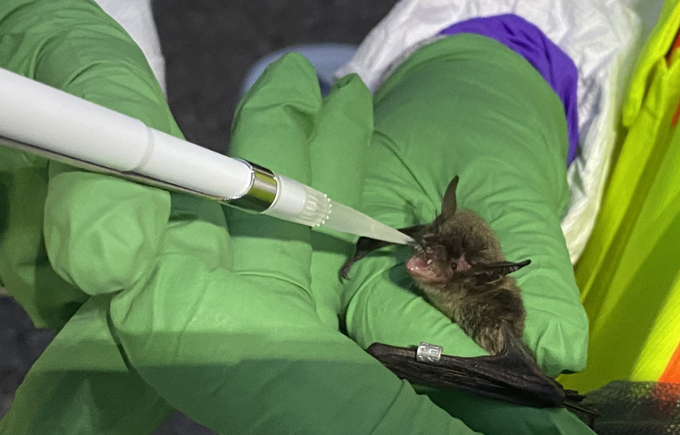
The alarming decline of bat populations due to white-nose syndrome—a fungal disease—has spurred researchers to develop and trial an innovative oral vaccine. With over six million bats falling victim to this affliction, these efforts represent a critical line of defense.
The oral vaccine appears to significantly improve survival rates and reduce symptoms among infected bats. As researchers plan to extend this preventative measure across various endangered bat species in North America, the urgency of their work reflects a broader commitment to preserving these vital insect-eaters that play a crucial role in ecosystem health.
Conclusion: A Promising Future for Conservation
Vaccines are not a universal solution to wildlife diseases but represent a significant step forward in conservation strategies. As habitats shrink and wildlife encounters become more frequent, these vaccination programs are essential for protecting species from the ever-evolving threats posed by pathogens.
Ongoing research and development of such technologies underline the critical intersection of wildlife health and conservation efforts. With initiatives underway across various species, there is hope that vaccinations can bolster the resilience of vulnerable wildlife populations facing unprecedented challenges. For more information on these vaccination programs and their broader implications for wildlife conservation, visit Science News.