




Fascinating Fossil Finds of 2025: Unveiling Earth’s Hidden History
The realm of paleontology has seen remarkable advancements this past year, with discoveries not only enriching our understanding of the prehistoric world but also sparking debates that have lingered for decades. From tiny dinosaurs to bizarre fungi, 2025 has been a noteworthy year for fossil finds. This article delves into some of the most significant paleontological breakthroughs that have shed light on life forms long extinct.
Nanotyrannus Grows Up: A New Species Unveiled
In the ongoing debate surrounding the identity of Nanotyrannus lancensis, 2025 has provided clarity. Previously thought to be merely a juvenile version of the iconic Tyrannosaurus rex, a recent analysis of the famous fossil dubbed "Dueling Dinosaurs" has shown that Nanotyrannus is indeed a distinct adult species. Research documented in two separate studies identified differences in nerve patterns, sinus structures, and tooth characteristics from those of T. rex, indicating that these tiny predators coexisted around 67 million years ago.
For more on the findings, refer to this comprehensive study.
Cicadas’ Ancient Song: Music from 47 Million Years Ago
The chorus of cicadas has graced Earth for millions of years longer than previously believed. Scientists have discovered fossil evidence of Eoplatypelura messelensis, the oldest known cicada species dating back 47 million years to the Eocene Epoch. This discovery not only pushes back the timeline of cicadas but also offers insights into the evolution of insect song, highlighting that only male cicadas produce sound—a trait still observed today.
Read more about this fascinating find in the original article here.
The Grand Canyon’s Penis Worm: A New Predator Identified
Among the astonishing findings from the Grand Canyon’s fossil beds is a newly identified species of predatory “penis worm” named Kraytdraco spectatus. Dating back approximately 500 million years to the Cambrian Period, this creature showcases advanced feeding adaptations, suggesting a rich and diverse environment that facilitated the evolution of early life forms. The discoveries underscore the significance of the Grand Canyon in understanding Cambrian ecological dynamics.
Discover more about this unique worm by visiting this link.
Zombifying Fungi: A Fresh Perspective on Ancient Life
A chilling fossil discovery captured a moment nearly 100 million years ago when a fungus burst forth from the body of an ant pupa. This exceptional find illustrates that brain-invading fungi, which inspired popular media like Netflix’s The Last of Us, have existed far longer than previously thought. The rarity of fungi fossilization makes this find invaluable.
For further details, check out the complete study here.
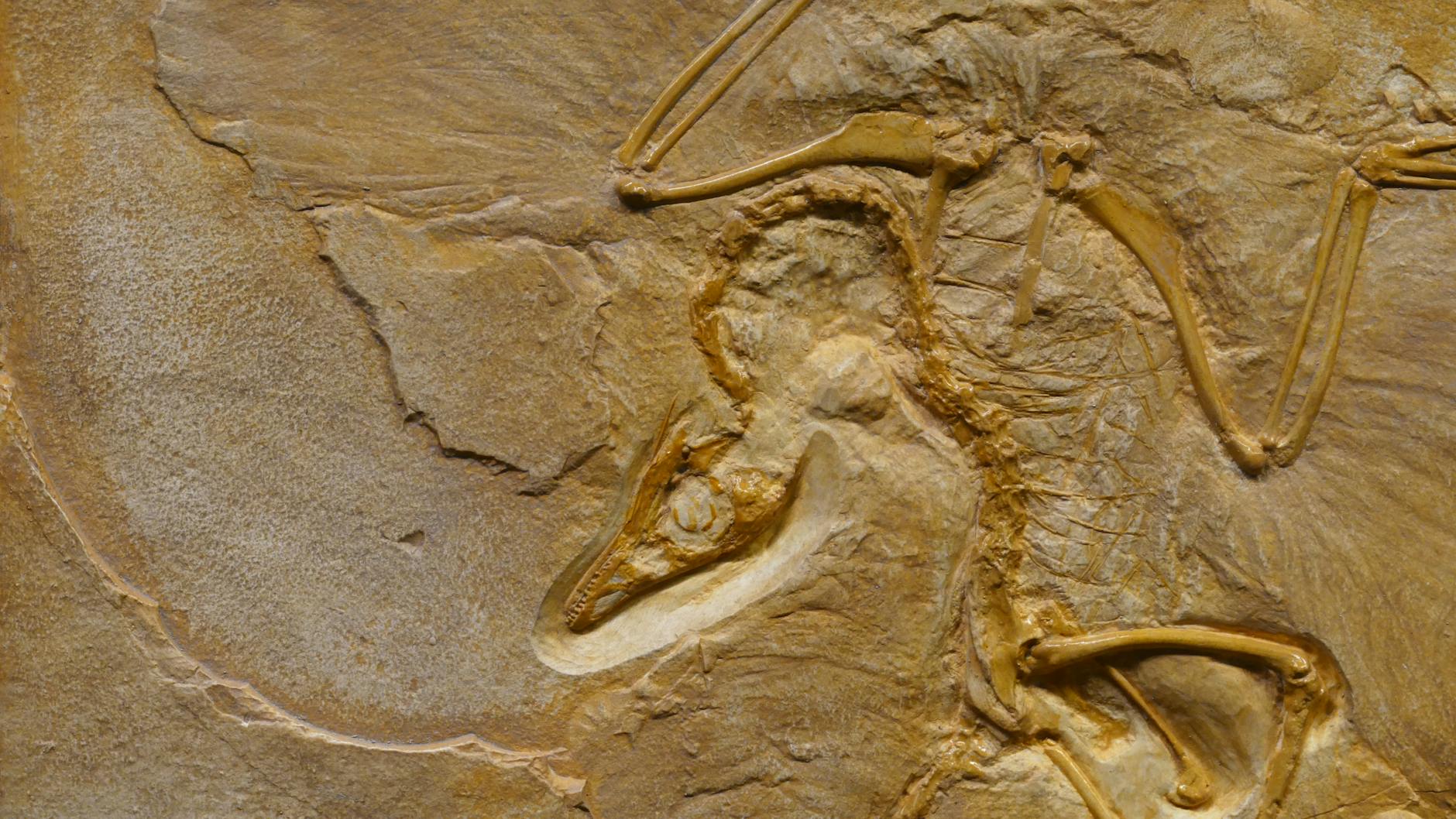
Archaeopteryx: Insights on the Evolution of Flight
A near-complete fossil of Archaeopteryx, believed to be Earth’s oldest bird, has provided new insights into avian mobility. This exceptionally preserved specimen, dating back 150 million years, reveals features such as specialized feathers and mobile digits, suggesting that Archaeopteryx could not only fly but also maneuver among tree branches—an evolutionary leap that modern birds still exhibit.
Learn more about this incredible discovery and its implications for flight evolution here.
Lucy’s Neighbors: Discovering New Human Ancestors
In a discovery that challenges the previously held notions of early human relatives, fossils uncovered in Ethiopia indicate the presence of another species, Australopithecus deyiremeda, coexisting alongside the famed Lucy. Dated to about 3.4 million years ago, these new finds suggest that early human evolution was more intricate than previously understood, with multiple species potentially inhabiting the same region.
Explore the details of these findings in this article.
The Mystery of Dragon Man: A New Perspective on Denisovans
A skull found in Harbin, China, previously believed to belong to a new species called Homo longi, is now being reinterpreted as belonging to Denisovans—an enigmatic group of ancient human relatives. Protein and DNA analyses indicate a close relation to other known Denisovan fossils, although skeptical voices caution against premature conclusions.
For further reading, find the full report here.
The World’s First Butt-Drag Fossil: Ancient Creature Behavior Documented
In a comical yet scientifically significant discovery, researchers have documented fossilized traces left by ancient rock hyraxes believed to have dragged their butts across the ground over 165,000 years ago. This unique find provides a glimpse into the behavioral patterns of prehistoric creatures, adding another facet to our understanding of their ecology.
Uncover the amusing results of this research by clicking here.
Chicago's "Rat Hole": Modern Footprints in Paleontology
A sidewalk slab from Chicago that gained popularity as the "Rat Hole" has been analyzed and confirmed to have been made by a squirrel rather than a rat. This observational study emphasizes the intricate challenges paleontologists face while interpreting impressions from both modern and ancient organisms.
To learn more about the “Rat Hole” and its unique backstory, click here.
Conclusion
The discoveries of 2025 have significantly contributed to our understanding of Earth's complex biological history. Each fossil tells a story, and as researchers continue to uncover these remnants of the past, we gain invaluable insights into the creatures that once roamed our planet. For ongoing coverage of paleontological discoveries, explore more stories on Science News.
As we step into the future, it will be exciting to see how these insights continue to shape our understanding of evolution, extinction, and the continuity of life on Earth.