



European Blister Beetle Larvae Master the Art of Deception: Mimicking Floral Scents to Attract Bees
In a remarkable twist of nature's evolutionary designs, the larvae of the European blister beetle (Meloe proscarabaeus) have been discovered to chemically mimic floral aromas, an adaptation that allows them to attract unsuspecting bees. This extraordinary phenomenon raises new questions about the boundaries of interspecies interactions and chemical mimicry in the animal kingdom.
The Beetle's Ingenious Strategy
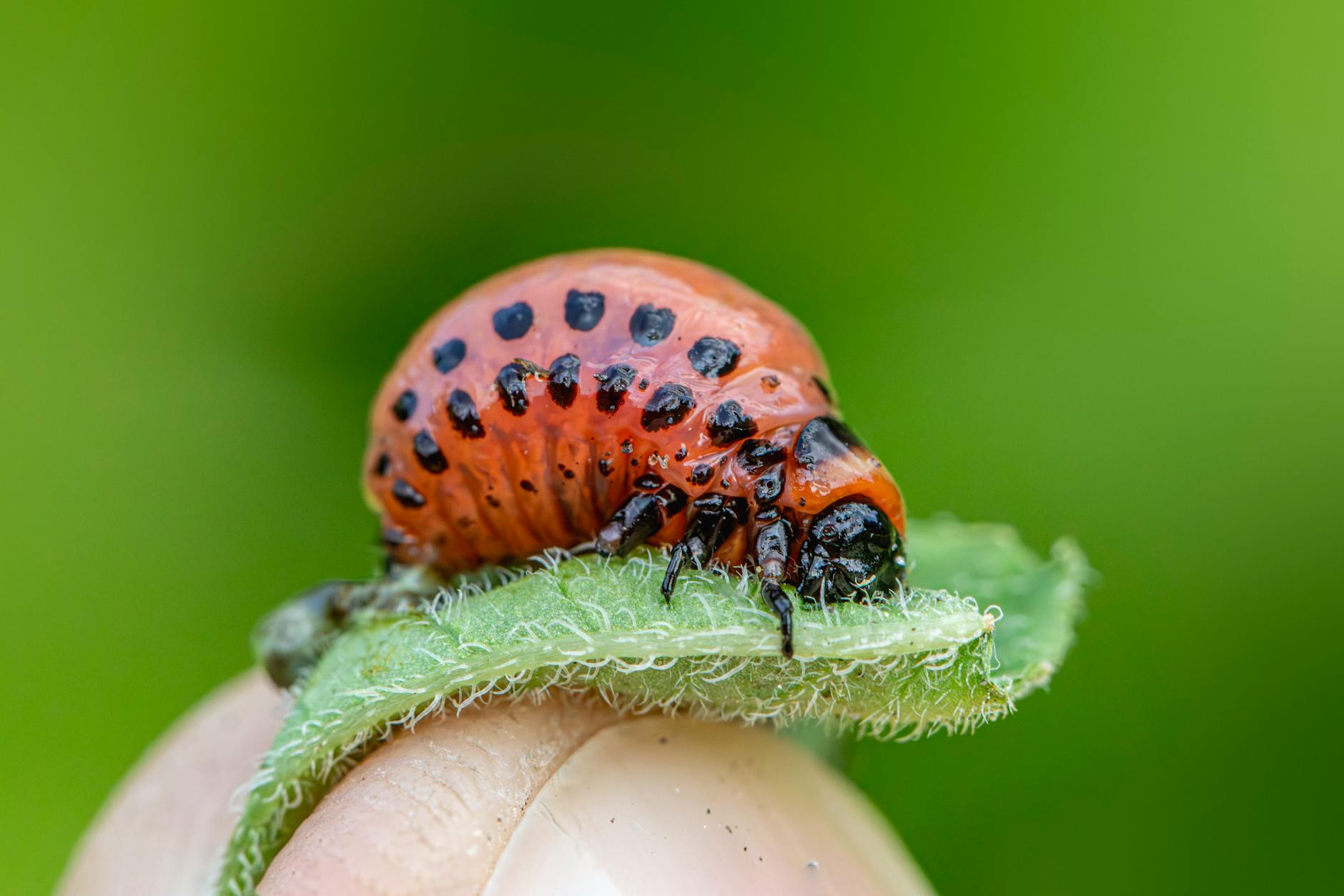
Emerging from the ground in early spring, these larvae exhibit a striking resemblance to vibrant orange flowers by clustering together on grasses. This clever disguise serves a sinister purpose: when bees approach, the larvae quickly attach themselves to the bees, hitching a ride back to their nests. There, they consume the bees' eggs, continuing their life cycle at the expense of their hosts.
The mechanism behind this alluring mimicry puzzled researchers until a study published on January 15 in biorXiv uncovered the secret. Ryan Alam, a synthetic chemist at the Max Planck Institute for Chemical Ecology in Jena, Germany, led a team that revealed the beetle larvae emit a complex cocktail of 17 aromatic compounds typically linked to flowering plants. “It wasn’t just that they were producing one compound and then loosely trying to mimic a flower,” Alam noted. “It was like their own personal larval perfume.”
The Science Behind the Scents
To understand how these larvae create their enticing scents, Alam's team reared both male and female blister beetles in greenhouse tanks, feeding them a diet of wheatgrass, broad beans, and clover. After mating, the females laid their eggs, which hatched into larvae that then crawled onto nearby plants. Researchers collected these larvae and conducted chemical analyses of the compounds they emitted.
The results indicated that the larvae produce a bouquet that includes linalool—a compound associated with the scent of lavender and commonly used in perfumes. The larvae synthesize these scents using two specialized enzymes that modify linalool to diversify their aromatic profile.
Testing the Attraction
To further investigate the larvae's attraction strategies, the researchers synthesized the floral aromas and conducted preference experiments with wild red mason bees (Osmia bicornis). The results showed certain synthetic aromas were particularly appealing to female bees. This attraction could enhance the larvae’s chances of being transported directly to a bee nest, serving their voracious appetites.
Interestingly, the scents might also serve as a communication mechanism among the larvae, signaling them to cluster together. The hypothesis suggests an evolutionary history where larvae originally followed floral scents to find food, later evolving to produce these compounds themselves, abandoning reliance on actual flowers. This adaptation allows them to appear during early spring when flowers are scarce, positioning them as a seemingly crucial food source for bees.
The Broader Implications of Chemical Mimicry
This discovery not only sheds light on the complex relationships between species but also highlights the intricate adaptations that can arise through evolutionary processes. The ability to chemically deceive potential pollinators is a testament to nature's continuing innovation in survival strategies.
As habitats change and ecosystems face increasing pressures from climate change and human activities, understanding such adaptations becomes critical. Researchers hope that by studying the interactions between species like the European blister beetle and bees, we can gain insights into ecological balance and the importance of preserving biodiversity.
Conclusion
The European blister beetle larvae represent a fascinating study of chemical mimicry, exemplifying how evolution can lead to sophisticated survival strategies. This cunning method of attracting bees not only demonstrates the poles of deception but also opens new avenues for understanding interspecies relationships that are fundamental to ecosystems. As science continues to unravel the secrets of nature, the remarkable adaptations of creatures like the blister beetle remind us of the intricate tapestry of life on our planet.