




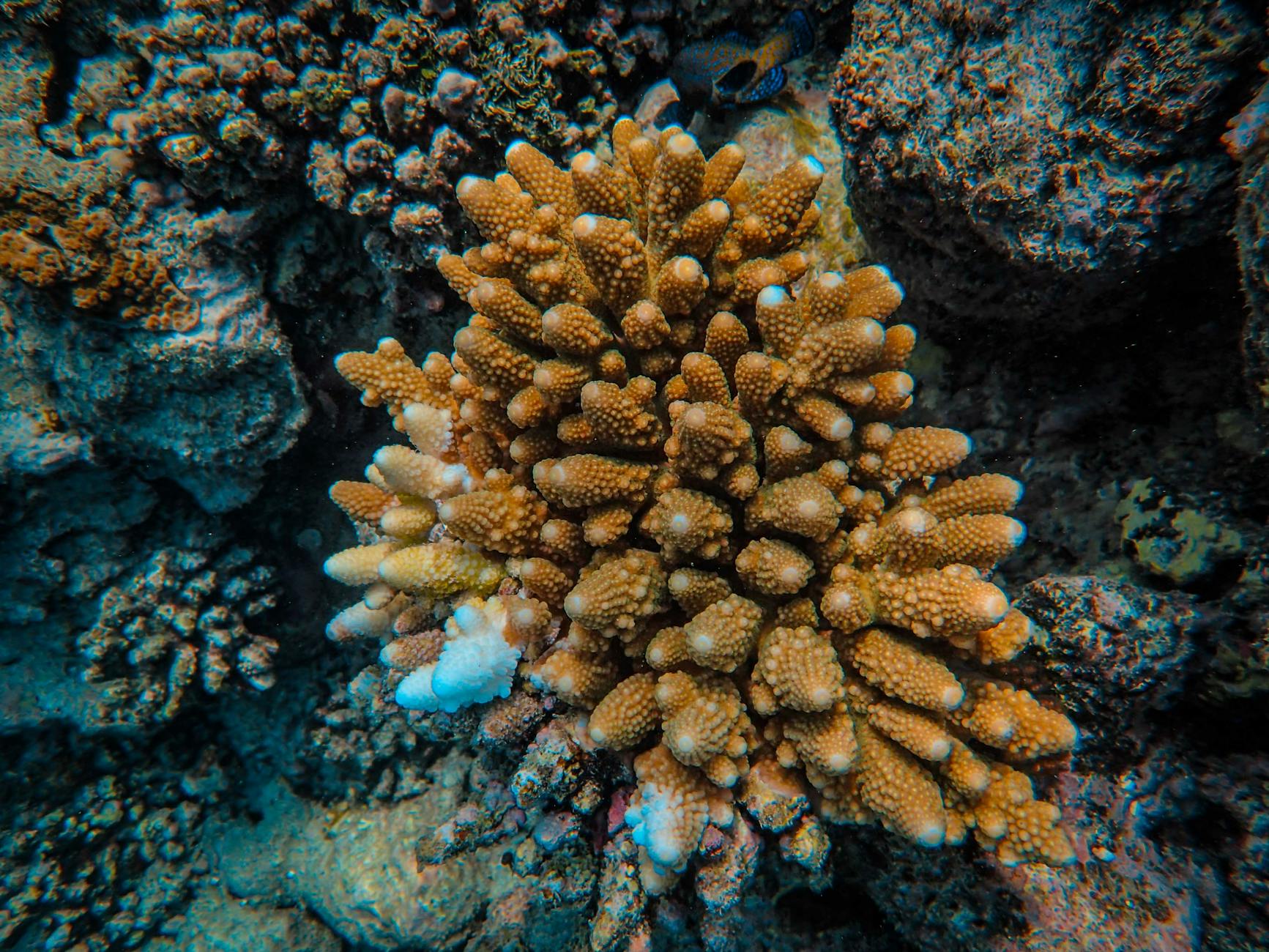
Decline of Coral Reef Food Chains: Ancient Connections Reveal Modern Vulnerabilities
Recent research has unveiled alarming trends regarding the food chains of coral reefs in the Caribbean, revealing that modern ecosystems are becoming less stable and more vulnerable to environmental changes. A study published in Nature indicates that fish species in these coral reefs, particularly off the coasts of the Dominican Republic and Panama, now operate within food chains that are 60 to 70 percent shorter than those seen approximately 7,000 years ago.
The Shocking Findings
The comprehensive study examined both ancient fossilized ear stones, known as otoliths, and contemporary specimens to assess shifts within the marine food web. Jessica Lueders-Dumont, a fisheries ecologist and geochemist at Boston College, highlights the importance of understanding food webs to gauge the health of coral reefs. These ancient ear stones allow researchers to draw parallels between the dietary habits of historical marine life and today’s species.
Using these otoliths, researchers identified varying amounts of heavy nitrogen isotopes to determine which species were higher or lower in the food chain. Notably, higher levels of heavy nitrogen signal predatory species, while lower levels point toward prey. This methodology provided invaluable insight into how the interconnectedness of species has changed over millennia.
Habitat Loss and Overfishing: Two Culprits of Change
The decline of biodiversity in coral reefs can be attributed largely to habitat loss and overfishing. As specialized diets among ancient fish contributed to a rich ecological tapestry, modern fish now grapple with limited food sources, forcing them into increased competition. Lueders-Dumont pointed out that specialized feeders, like gobies that relied on unique prey populations, now face the threat of widespread food scarcity due to localized extinction events within their habitat.
To illustrate the impact, she likened the shift from diverse, specialized restaurants in a neighborhood to the prevalence of uniform fast-food chains. The analogy serves to convey the drastic reduction in available food options and the vulnerability inherent in such a homogenized ecosystem. In this contemporary context, if the supply of a resource is disrupted, the ramifications may extend broadly across affected species.
A Glimpse of Hope in Conservation Efforts
While the data paints a worrying picture of the present state of Caribbean coral reefs, there remains hope. The research observed healthier and more diverse food webs in areas of Panama where strict fishing controls are enacted, contrasting significantly with reefs in the Dominican Republic where oversight is lacking. This discrepancy emphasizes the role of proactive local management and conservation efforts in bolstering reef resilience.
Lueders-Dumont firmly asserts, “Our behaviors and our actions matter. We don’t need to bury our heads in the sand.” The message is clear: targeted conservation initiatives can facilitate a recovery of coral reef ecosystems, reaffirming their critical role in ocean health and biodiversity.
The Larger Implications
These findings underscore the interconnectedness of human activity and marine health. As coral reefs continue to undergo shifts characterized by the loss of biodiversity and shortening food chains, it becomes ever more necessary to understand our impact on these ecosystems. Effective management and sustainable practices can help restore balance to these vital habitats.
In summary, the evolving dynamics of the coral reef food chains in the Caribbean are not merely reflections of past environments, but stark warnings of present challenges. The research highlights the necessity for continued study and conservation efforts to ensure the survival of these ecosystems against the backdrop of ongoing environmental change.
For more on ecosystems and marine life, visit Science News.