




Chill Out: The Surprising Health Benefits of Polar Plunges
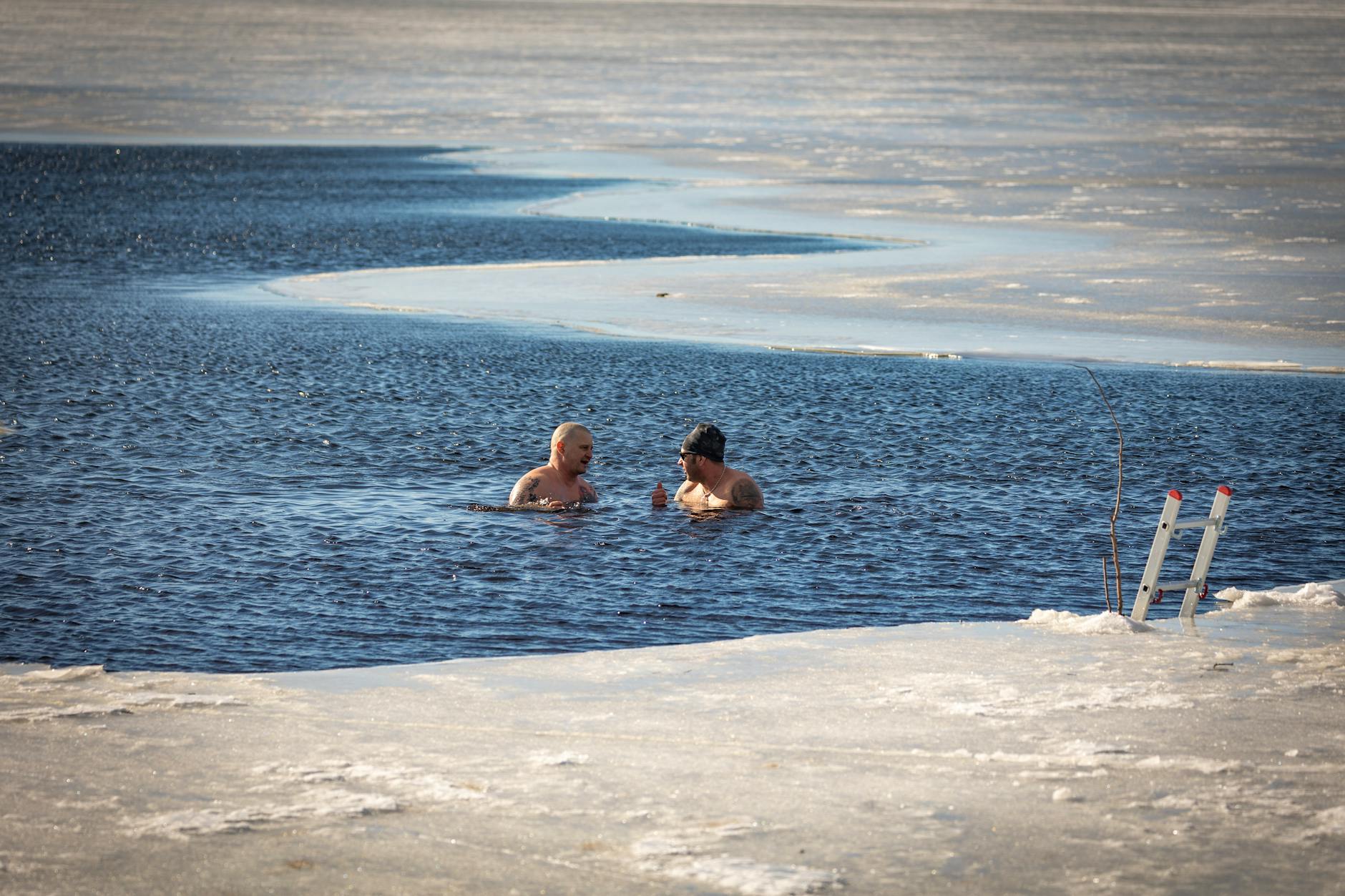
As the world turns its calendar to January 1, a unique and chilling celebration draws thousands of hardy souls to coastlines and frozen lakes across the globe. Instead of nursing a hangover from champagne-fueled New Year’s Eve festivities, these brave individuals engage in an invigorating ritual: the polar plunge. This annual cold-water swimming event, famously held in New York City since 1903, is just one of many similar events happening worldwide. Despite their daring nature, these icy immersions are backed by an emerging body of research suggesting several mental and physical health benefits.
The Science of Cold Water Exposure
Diving into icy waters triggers complex physiological responses in the body—a phenomenon that has captured the attention of researchers. James Mercer, a professor emeritus at the Arctic University of Norway, describes two main responses that occur during cold water exposure: the “diving response” and the “cold shock response.”
-
Diving Response: This response is the body’s natural mechanism for conserving oxygen while submerged. It leads to a slowing down of the heart rate, a reduction in breathing, and constriction of blood vessels to prioritize blood supply to vital organs.
-
Cold Shock Response: In stark contrast, this response causes your heart rate and blood pressure to spike dramatically as the body reacts to the frigid temperatures. “You’re gasping for breath,” explains Mercer.
While it may sound alarming, Mercer emphasizes that these stress responses can help build resilience in the body. However, it is crucial for novices to approach their first polar plunge with caution: entering the water gradually, knowing the signs of hypothermia, and swimming with a buddy are recommended safety measures (McGill University).
Physiological Gains from Cold Water Swims
Recent studies have shown that individuals who practice regular immersion in cold water may exhibit significant health gains. For instance, a 2024 study published in Advanced Biology reported that young men who engaged in daily hour-long baths in temperatures ranging from 13° to 15° C for a week enhanced their cellular processes. This resulted in a more efficient elimination of damaged cellular components, which is hypothesized to play a role in disease prevention (Advanced Biology).
Other research indicates that regular exposure to cold water may stimulate the immune system, increasing white blood cell counts and levels of immune proteins. This is crucial for maintaining robust health, particularly during cold and flu season.
Psychological Benefits: Beyond the Chill
The appeal of polar plunges is not limited to physical health. Psychobiologist Mark Wetherell from Northumbria University conducted a study that found cold-water swimmers often report lower levels of anxiety and improved self-esteem on days they engage in such activities (Lifestyle Medicine). This suggests a complex interplay between the thrill of cold exposure, outdoor exercise, and social interaction—common elements of the polar plunge experience.
Wetherell posits that many factors contribute to the mental health benefits reported by participants:
- The invigorating effects of the cold water
- The physical exertion associated with swimming
- The enjoyment of being outdoors
- The camaraderie that often accompanies these events
- The adrenaline rush from undertaking such a daring activity
Conclusion: Taking the Plunge
The polar plunge is more than just a chill-down-your-spine dare; it represents a growing trend towards embracing the invigorating properties of cold water for physical and mental health benefits. While caution is advised—especially for first-timers—research increasingly supports the idea that regular cold-water immersion could lead to improved resilience, enhanced immune function, and better mental well-being.
So, whether you’re attending an organized event or considering a solo dip, remember that while the water may be cold, the potential health benefits could be worth every icy moment.
For those inspired to take the plunge, always prioritize safety and take measures to protect yourself from the harsh effects of cold immersion. Happy swimming!