




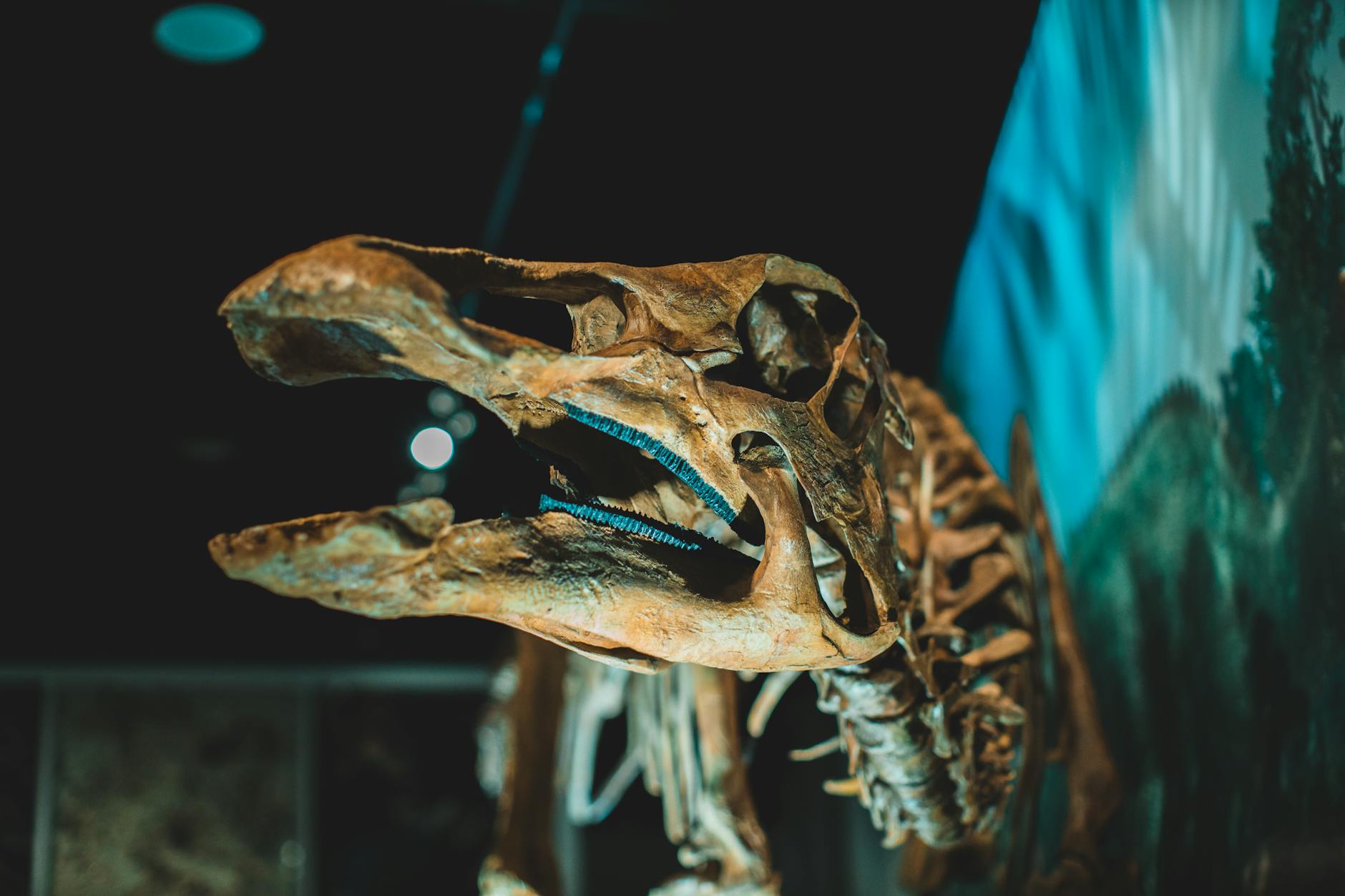
Breakthrough in Paleontology: _Nanotyrannus_ Confirmed as Its Own Species, Not a Young _T. rex_
In a landmark resolution of a long-standing debate in paleontology, researchers have confirmed that the diminutive dinosaur Nanotyrannus is indeed a distinct species, rather than a juvenile version of the fearsome Tyrannosaurus rex. This conclusion, reached through a novel analysis, has significant implications for our understanding of dinosaur evolution and classification.
A Historical Debate
The controversy surrounding Nanotyrannus traces back to the discovery of a small fossil skull unearthed in the 1940s. For decades, experts have speculated on the classification of this enigmatic creature. The prevailing viewpoint had often been that the skull belonged to a young T. rex, with some paleontologists disagreeing and suggesting it was, in fact, a separate species.
In early December 2025, a new study led by paleontologist Christopher Griffin, who specializes in bone histology, provided fresh insights that put this debate to rest. The research focused on the hyoid bone—a set of throat bones that can indicate the age of the dinosaur—opening a new path for this inquiry.
The Study That Changed Everything
Griffin and his team implemented a groundbreaking approach to examine the hyoid bone of the skull in question. Despite their initial skepticism, the analysis revealed that the bone exhibited growth patterns consistent with a fully mature animal, rather than a juvenile.
In an interview, Griffin stated, “We thought we would find it’s immature, juvenile,” as he initially accepted the dominant T. rex hypothesis. However, upon completing the hyoid analysis, he was met with the unexpected finding that this dinosaur was indeed an adult member of the Nanotyrannus lancensis species.
The significance of the study was compounded by the fact that another research team had independently arrived at the same conclusion just a month earlier. Both teams confirmed, using completely different methodologies, that the skull belonged to a fully grown Nanotyrannus lancensis, not a young T. rex.
Methodology and Findings
The innovative use of hyoid histology allowed the team to analyze thin cross-sections of the hyoid under a microscope. This technique has been previously used on the limbs of various species but had never been applied in this manner to skeletal remains without limbs.
To validate their findings, Griffin's team compared hyoid cross-sections from living reptiles—like alligators and ostriches—with those of extinct species such as T. rex and Allosaurus. The hyoid-ages they estimated aligned with other criteria of maturity derived from limb bone histology, further substantiating their conclusions.
Looking Forward
The confirmation of Nanotyrannus as a separate species alters our understanding of the diversification of theropod dinosaurs. It raises intriguing questions about the ecological niches that these smaller tyrannosaurs occupied in their prehistoric habitats.
As Griffin puts it, “We converged on the same ultimate conclusion, using two very different lines of evidence.” This cooperation among different research teams emphasizes the importance of interdisciplinary approaches in resolving key questions in paleontology.
The findings were published in the journal Science on December 4, 2025, marking a pivotal moment in the evolution of our understanding of dinosaur classification. Researchers are now eager to explore more about the life and environment of Nanotyrannus and how it compares to its larger relatives.
For those interested in further exploration of paleontological discoveries, you can follow the links to learn more about recent findings from the realm of dinosaurs, including new insights on Neandertal adaptations and more astonishing ancient discoveries.
The resolution of the Nanotyrannus debate not only enriches our comprehension of prehistoric life but also emphasizes the evolving nature of scientific discourse—a testament to the relentless pursuit of knowledge within the paleontological community.