




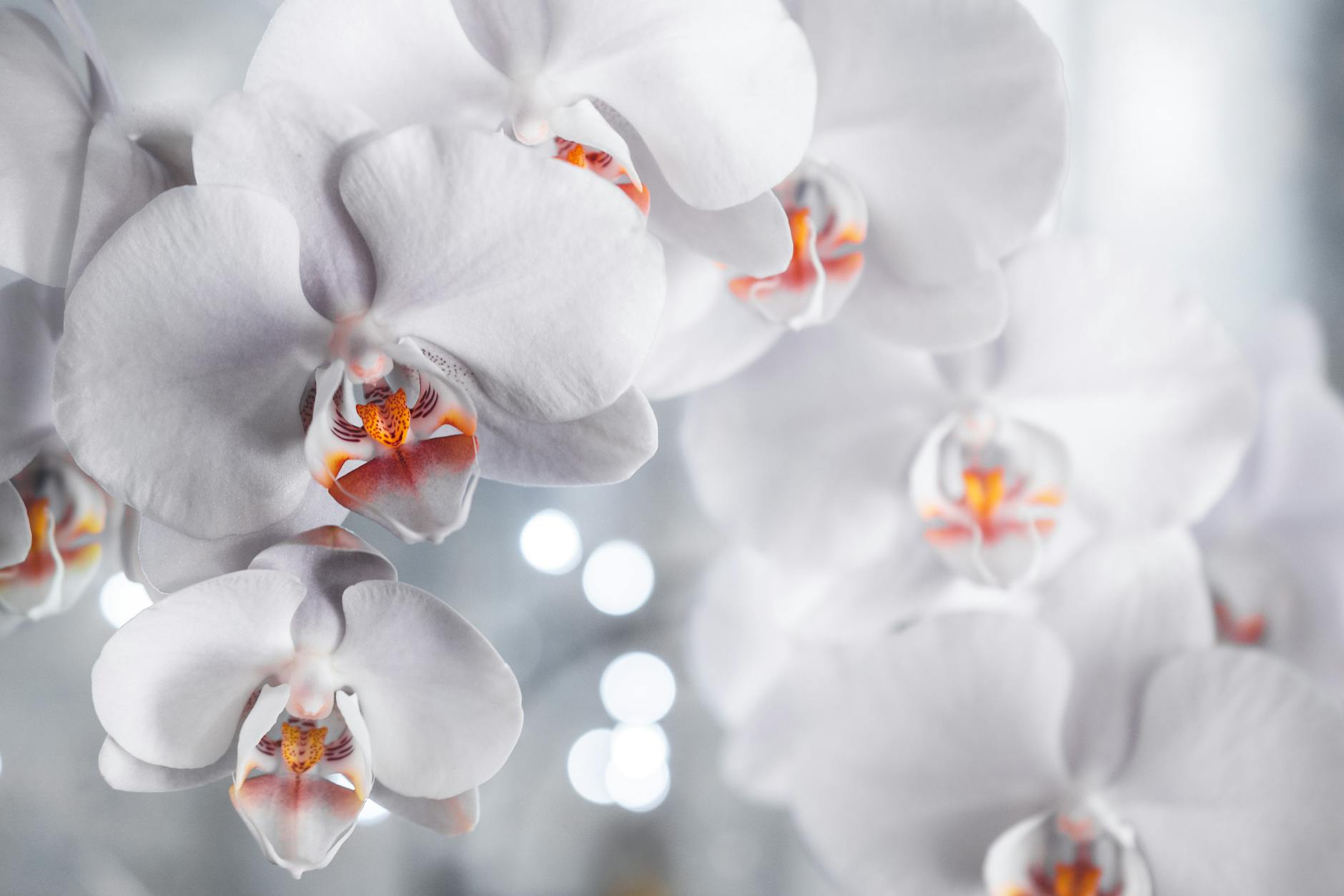
Orchids: Nature’s Deceivers in the Struggle for Survival
Orchids, renowned for their exquisite beauty and incredible diversity, play a complex role in the ecosystems they inhabit. Experts at the U.S. Botanic Garden in Washington, D.C. refer to these alluring flowers as "masters of deception," due to their extraordinary pollination strategies that sometimes involve trickery. From mimicking potential mates to emitting foul odors, orchids have evolved various methods to ensure their reproductive success. Yet, despite their fascinating adaptations, many orchid species are endangered, primarily due to human activities and climate change.
Unique Strategies of Deception
In a recent discussion with George Guenther, an advanced gardener at the U.S. Botanic Garden, we learned about six distinct orchid species and their ingenious pollination mechanisms:
1. Lepanthes (Sexual Deception)
The Lepanthes orchid employs a rather provocative tactic known as pseudocopulation, whereby male fungus gnats are lured to the flowers under the false impression that they are about to mate. When these unsuspecting insects engage with the flower, they inadvertently transfer pollen, aiding in the orchid's reproduction.
2. Phragmipedium Pearcei (False Trap Deception)
This orchid features a pouch that tricks visiting insects. Rather than capturing these insects for sustenance, the pouch acts as a temporary trap. Insects that fall inside must crawl out the back, which in turn facilitates the transfer of pollen.
3. Bulbophyllum Picturatum (Rotten-Meat Scent Deception)
Known for its strong, unattractively foul scents—reminiscent of rotten meat or feces—this orchid attracts flies vital for its pollination. The design of the flower ensures that when flies land, they are flipped into the reproductive structures, securing a pollen transfer.
4. Coelogyne Cristata (Food Deception)
This type of orchid lures pollinators through enticing fragrances with hints of nectar. However, it often fails to provide any genuine reward, leading bees and wasps to visit without receiving the nectar they seek.
5. Spathoglottis Kimballiana (Color and Scent Deception)
The Spathoglottis attracts bees using vibrant yellow colors and sweet scents. Although these flowers seem appealing and promise nectar, they often don’t deliver, instead relying on the bees to inadvertently assist in their pollination.
6. Angraecum Comorense (Nocturnal Scent Deception)
In contrast to many of its relatives, this orchid provides nectar at night, targeting moths as its primary pollinators. Its special fragrance serves to attract these creatures, leading them to pollinate the flower effectively.
The Threats Facing Orchids
Despite their remarkable adaptive traits, many orchid species face dire threats. Devin Dotson, a Senior Communications Specialist at the U.S. Botanic Garden, emphasizes that human activities contribute significantly to their endangerment. Key factors include:
-
Over-collection and overharvesting: Many orchids are taken from their natural habitats to meet demands in horticulture and decorative floral arrangements.
-
Habitat loss: As urban development escalates, orchids lose their essential environments. Converting land for agriculture or housing can irreversibly alter or destroy orchid habitats.
-
Climate change: Shifts in climate, such as increased temperatures and extreme weather patterns, directly impact orchids’ survival capabilities. The rise in floods, droughts, and new agricultural practices can create unsustainable conditions for sensitive orchid species.
The combination of habitat destruction and climate change has made it increasingly difficult for these plants to survive.
Conservation Efforts
When traveling, experts urge enthusiasts to appreciate orchids in their natural settings rather than attempt to collect them. Harvesting wild orchids or smuggling them across borders poses significant risks to already vulnerable populations. Many intercepted and confiscated plants find refuge at the U.S. Botanic Garden, where they receive care and rehabilitation with aims to restore them to health.
Through continued education and conservation efforts, the delicate balance between appreciating and preserving our natural world can be maintained. The story of orchids serves as a poignant reminder of nature's intricate relationships and the fragility of biodiversity.
For more insights into the plant kingdom, explore further with Science News on Plants.