




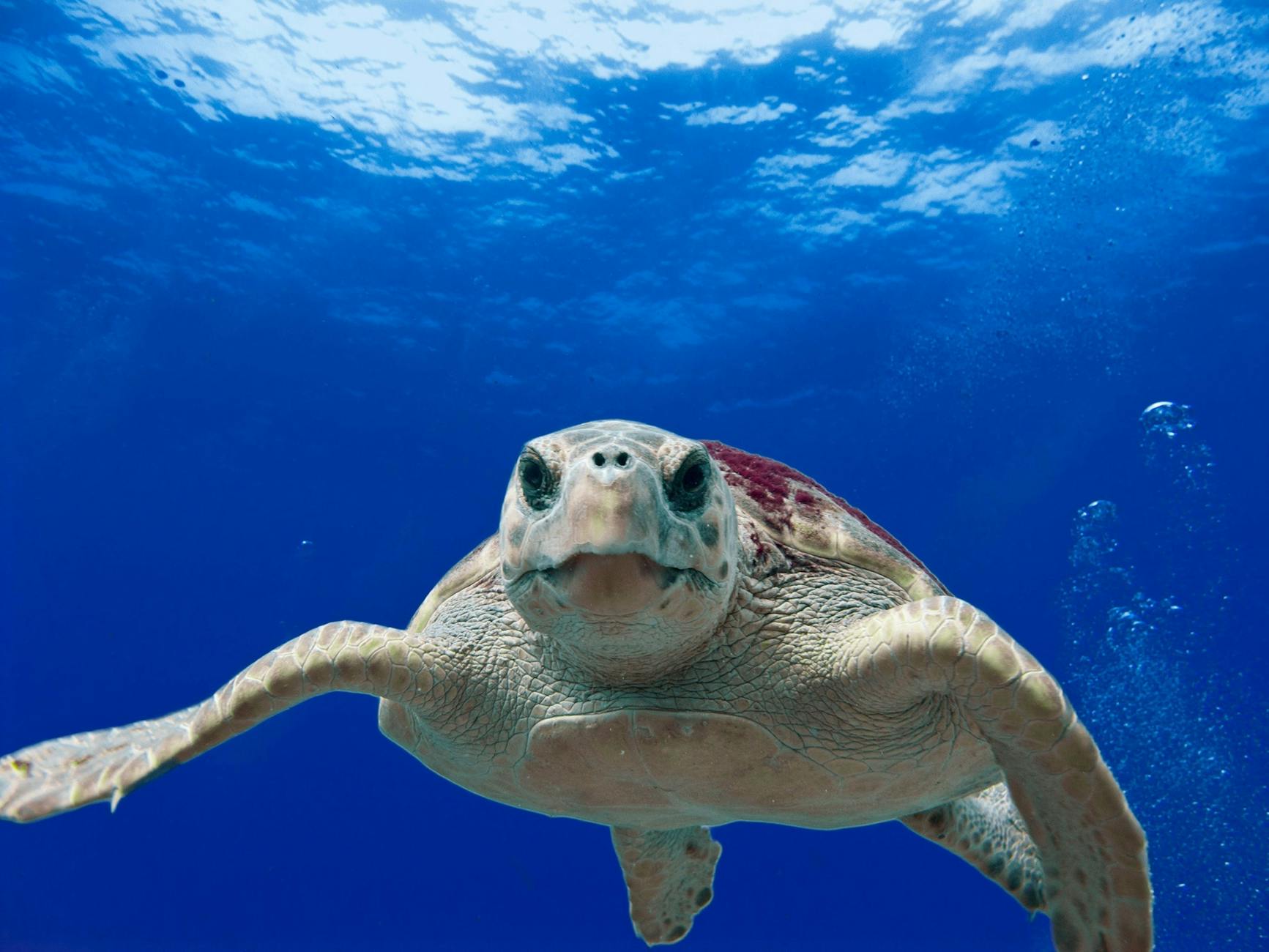
“Sea Turtles: A Conservation Success Story or an Imminent Population Collapse?”
Recent reports celebrating the resurgence of sea turtle populations worldwide could be hiding a worrying trend that threatens their long-term viability. While areas like Cape Verde in West Africa have seen a remarkable 100-fold increase in loggerhead turtle nests since 2008, scientists caution that these numbers might not reflect a healthy ecosystem but rather point to a looming crisis due to skewed gender ratios among hatchlings.
The Illusion of Success
According to researchers from Queen Mary University of London, the apparent boom in nesting is largely misleading. Utilizing advanced drone surveys and analyzing 15 years of nesting data, the team found a startling 9-to-1 ratio of female to male loggerhead turtles. This discrepancy is primarily attributed to rising global temperatures linked to climate change, which result in an increase in female hatchlings. The incubation temperature of turtle eggs determines their sex; warmer conditions yield more females while cooler climates produce males.
“It’s a bit of a mirage,” says Christophe Eizaguirre, a conservation geneticist and lead author of the study. Despite conservation efforts such as marine protected areas and stricter fishing regulations, Eizaguirre warns that these measures may not be sufficient to avert a future population collapse.
The Current State: More Females Than Males
In discussing the implications of this gender imbalance, researchers highlight the vital role male turtles play in the reproductive process. Jeanette Wyneken, a biologist from Florida Atlantic University, explains that sea turtles have evolved various mating strategies, where males can mate more frequently with multiple partners and females can store sperm to increase their chances of fertilization. However, if the trend continues and populations tilt dangerously toward females, as evidenced in some areas, it raises serious concerns about sustainability.
Less than optimal conditions have already manifested in regions like the northern Great Barrier Reef, where reports indicate that populations there also exhibit high rates of female dominance. Such scenarios could lead to a significant decline in reproductive potential, signaling trouble for conservationists advocating for continuous efforts.
The Concerns Over Methodology
There are ongoing debates in the scientific community regarding the methodology used to derive these findings. Wyneken raises concerns that adult male turtles can be differentiated from females through drone observations, but the same may not be true for subadult specimens. This could lead to misidentification, skewing the apparent sex ratio even further than the reported 9-to-1.
To ensure more accurate assessments of hatchling sex ratios, researchers advocate for more precise methodologies, including techniques like laparoscopy, which allows for better confirmation of gender before the young turtles are released into the wild.
Conservation Efforts Must Continue
Given the precarious situation, continued conservation initiatives remain paramount. Conservationists aim to adapt and evolve these strategies in light of new findings. “We don’t want to let up on conservation efforts, thinking that we’ve already achieved success,” Eizaguirre cautioned. It is essential to acknowledge the underlying challenges affecting sea turtles' reproductive capabilities and to adjust strategies accordingly.
With warming global temperatures, the challenges for sea turtle populations are growing more intricate. The balance between male and female turtles is critical for ensuring a stable and healthy population. Scientists and conservationists stress the urgency of ongoing research and preventive measures to safeguard these majestic creatures, allowing them the time they need to adapt to environmental changes.
A Call to Action
The potential collapse of turtle populations is a wake-up call for researchers, conservationists, and policymakers. As the surge in nesting might indicate a temporary uptick, a reality check is needed to address the underlying problems before it's too late. As echoed by Eizaguirre, the conservation journey for sea turtles must not falter. “Ongoing and adapting conservation efforts are vital to giving turtle populations time to respond to changes in their environment.”
To explore more on the ongoing studies impacting marine ecosystems, including other related species, visit the Science News Animals section.
For the full article, relevant links to supporting research, and updates on conservation initiatives, stay connected with us at your local news outlet.