




Asteroid 2024 YR4: A Potential Threat to Earth in 2032
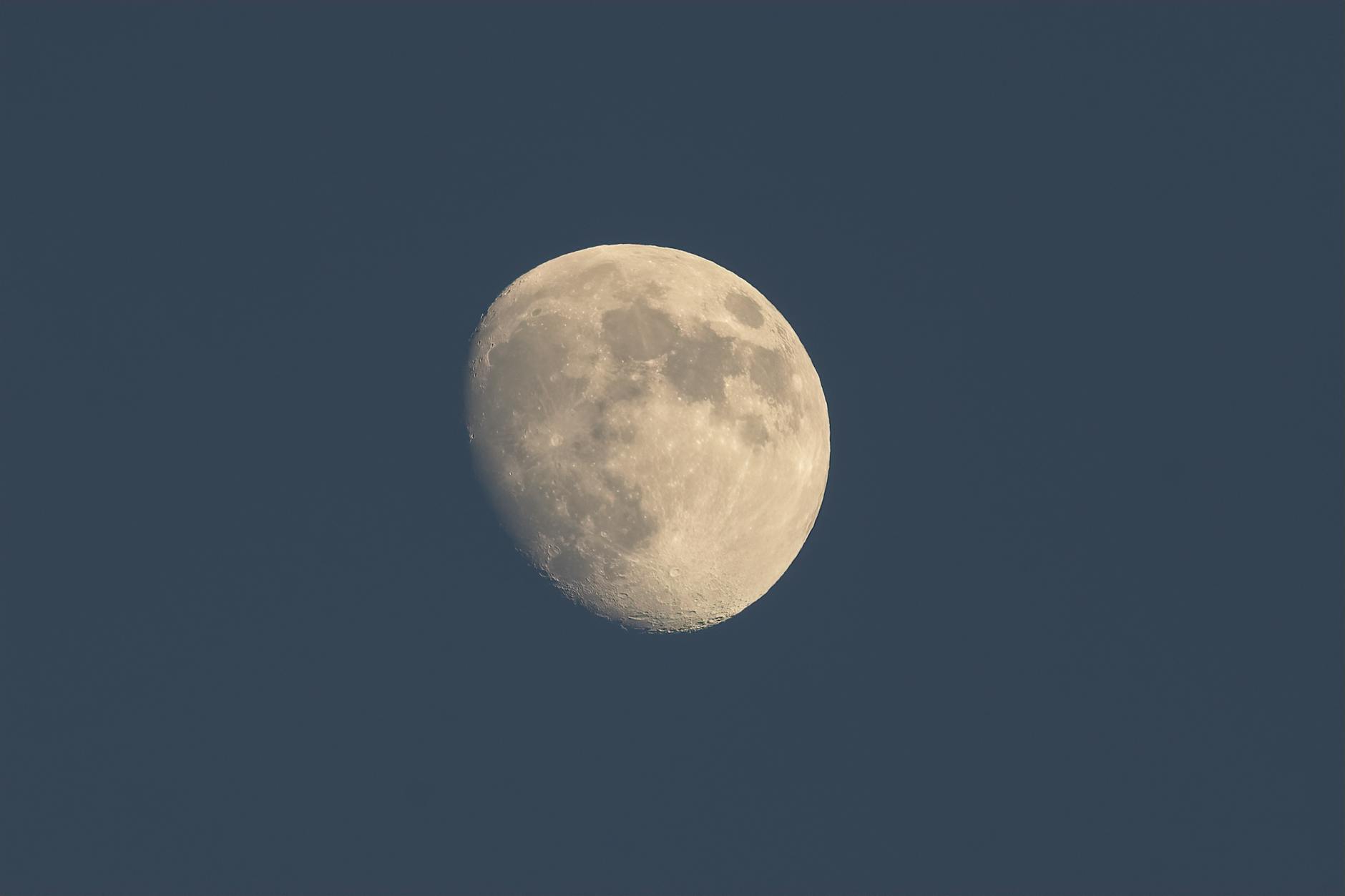
In a shocking revelation from a recent American Geophysical Union meeting, scientists have calculated a 4 percent chance that a large asteroid known as 2024 YR4 will collide with the moon on December 22, 2032. This event could not only impact our lunar neighbor but could also release a swarm of tiny meteorites that might pose risks to satellites and astronauts in Earth's orbit.
An Astounding Impact Potential
NASA aerospace engineer Brent Barbee underscored the magnitude of a potential impact, stating that if YR4 were to strike the moon, it could unleash energy equivalent to approximately 6 million metric tons of TNT—a force staggering enough to be about 400 times that of the atomic bomb dropped on Hiroshima during World War II. Such an explosion could have unforeseen consequences, particularly concerning debris that might be propelled into near-Earth space.
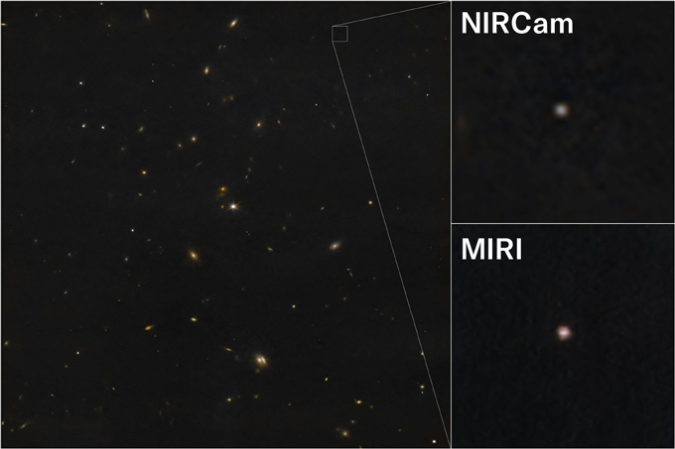
The initial detection of YR4 occurred in December 2024. Shortly thereafter, the chances of a direct collision with Earth peaked at 3.1 percent. However, as scientists continued their observations, the focus has shifted to its potential lunar impact, where the likelihood has seen a slight uptick.
Viewing the Impact
Should YR4 collide with the moon, there is an 86 percent chance that this event will occur on the side facing Earth. If this trajectory holds true, the impact could create a noticeable flash visible from certain parts of our planet, with astronomer Patrick King suggesting that conditions in Hawaii and parts of the western United States could provide excellent viewing opportunities.
King, who simulated the brightness of the projected impact, indicated that under favorable conditions, observers on Earth might witness an incredible cosmic spectacle.
Urgent Preparations Needed
A pressing concern among scientists is the uncertainty surrounding the asteroid's precise size and mass. Current estimates suggest that YR4 is roughly 60 meters wide, but without accurate measurements, effective deflection strategies remain undetermined.
Brent Barbee offered a rather dramatic alternative to deflection—advocating for the possibility of intentionally breaking up YR4 via the deployment of a fast-moving impactor or even through nuclear means. Such interventions would need to commence no less than three months prior to a lunar impact to ensure the debris disperses widely rather than heading towards Earth.
NASA's James Webb Space Telescope (JWST) might have the opportunity to observe the asteroid in February 2026. This observation could either diminish or heighten the threat levels associated with YR4, increasing them by as much as 30 percent in the latter case. Barbee cautioned that if JWST is unable to retrieve the necessary data, critical decisions might need to be made amid substantial uncertainties.
The Road Ahead
The timeline we face regarding YR4 underscores the need for immediate and decisive action. According to Barbee, any future missions aimed at investigating or potentially mitigating the threat posed by YR4 must begin development without delay.
In summary, while the potential collision of asteroid 2024 YR4 with the moon is not imminent, the ramifications of such an event necessitate a thorough examination and preparation. Keeping an eye on promising astronomical developments will be crucial as we advance toward 2032, an event that could serve as a stark reminder of the threats posed by objects in our solar system. For ongoing developments, stay tuned to Space News.