



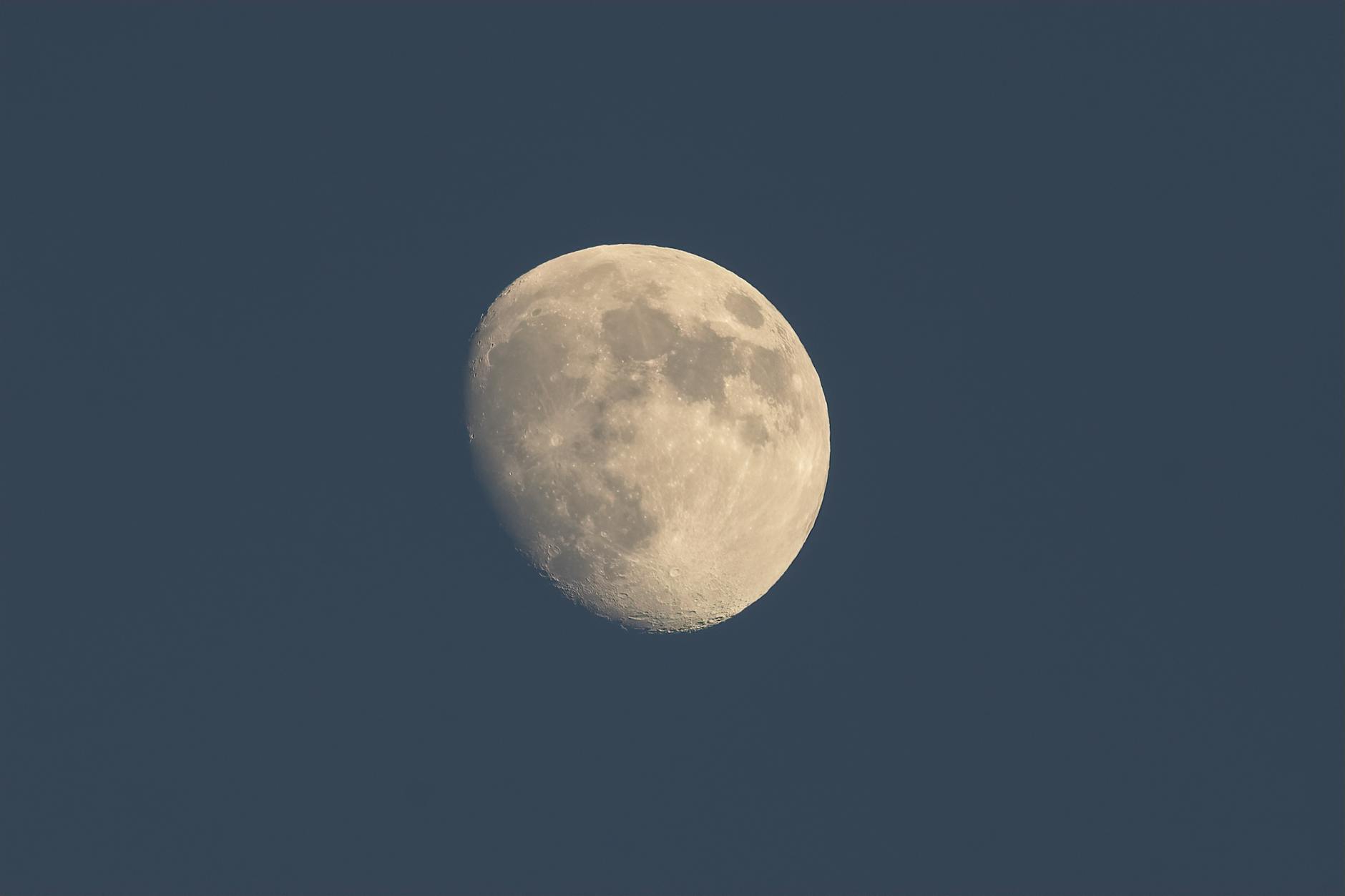
Historic Lunar Flyby: NASA’s Artemis II Crew Makes Unprecedented Observations
HOUSTON — On April 6, 2026, the Artemis II crew embarked on a groundbreaking journey, making a historic flyby of the moon that marked the first time humans witnessed its far side in detail, over five decades since the last crewed lunar mission. Astronauts Christina Koch, Victor Glover, Reid Wiseman, and Canadian Space Agency’s Jeremy Hansen navigated the Orion spacecraft into the moon’s gravitational pull, creating a unique opportunity to observe previously unseen lunar features and phenomena.
The Journey Begins: A Glimpse of the Unknown
As the Orion spacecraft entered the lunar sphere of influence after five days of space travel, the crew was poised to gain insights into the moon's far side, an area that remains largely enigmatic due to its inaccessibility from Earth. The astronauts were loaded with scientific instruments and prepared to take vital observations during their seven-hour flyby.
The excitement was palpable as Koch, Glover, Wiseman, and Hansen documented everything that caught their attention, from bright impact craters to lunar dust. Upon re-establishing communication with Earth after 45 minutes of being out of contact, the crew revealed an array of stunning observations, including witnessing a total solar eclipse — yet another first for humanity from the moon.
A First for Humanity: An Eclipse from the Moon
At 8:50 p.m. E.T., Glover shared the exhilarating experience of witnessing a solar eclipse from the moon. “We just went sci-fi,” he exclaimed, describing the breathtaking sight of the sun sinking behind the moon’s surface, revealing its corona. “You can see the surface of the moon between the earthshine… It’s amazing.”
During the eclipse, the astronauts pointed out how they could spot planets like Venus, Mars, and Saturn against the backdrop of the cosmos. They even observed several meteoroid impacts on the lunar surface, a sight that astonished the science teams back at mission control.
Unprecedented Views Unfold
The crew's observations were not confined to eclipses or distant planets. They reported seeing features that had hardly been glimpsed by the human eye before, providing fresh perspectives on the moon's geological history. In a poetic reflection, Koch described the bright craters as resembling a "lampshade with pinprick holes," illustrating the stark differences between what humans see and what robotic missions have captured.
The opportunity to capture photographs of landmarks such as the famous Apollo landing sites painted a picture of nostalgia intertwined with scientific inquiry. The astronauts engaged in a back-and-forth dialogue with scientists on Earth, spurring further exploration and inquiry about the moon's surface.
Challenges of Observation
While eagerly documenting their findings, the astronauts also faced challenges. Wiseman noted the difficulty of adjusting their eyesight after looking at the bright lunar landscape and then switching to the dimly lit cabin. Nonetheless, the crew moved in shifts to maximize observations, making sure they recorded descriptions and images that will enrich lunar science.
A Call to Action: The Implications of Artemis II
Artemis II is not merely a historic mission; it stands as a beacon of inspiration for future lunar exploration and prompts scientific inquiries about the origin and evolution of the moon. The collaboration between astronauts and ground scientists underscores the mission's dual role as a research project and a testbed for future manned missions to the moon.
Kelsey Young, Artemis Science Flight Operations Lead, emphasized the mission's significance. “The insights we've gained today are monumental. Your observations brought the moon closer to us and invigorated the lunar science community," she remarked during a recap of the flyby.
This mission also sets the stage for upcoming Artemis missions aimed at establishing a sustainable human presence on the moon. With vital lessons learned about logistics and human engagement with lunar science, NASA prepares to embark on its next ambitious endeavors.
Looking Ahead
As the Artemis II mission concludes its tour around the moon, the results of the crew's observations are slated for thorough analysis in the coming days. The collaboration between astronauts and scientists represents a vital advancement in understanding lunar geology, its history, and its potential for future exploration.
The mission's success could signify a new era of moon exploration, one that includes plans for lunar bases and eventually, manned missions to Mars. With Artemis II paving the way, humanity’s quest to explore beyond Earth appears brighter than ever.
For real-time updates on the mission, you can follow NASA's official coverage here.