




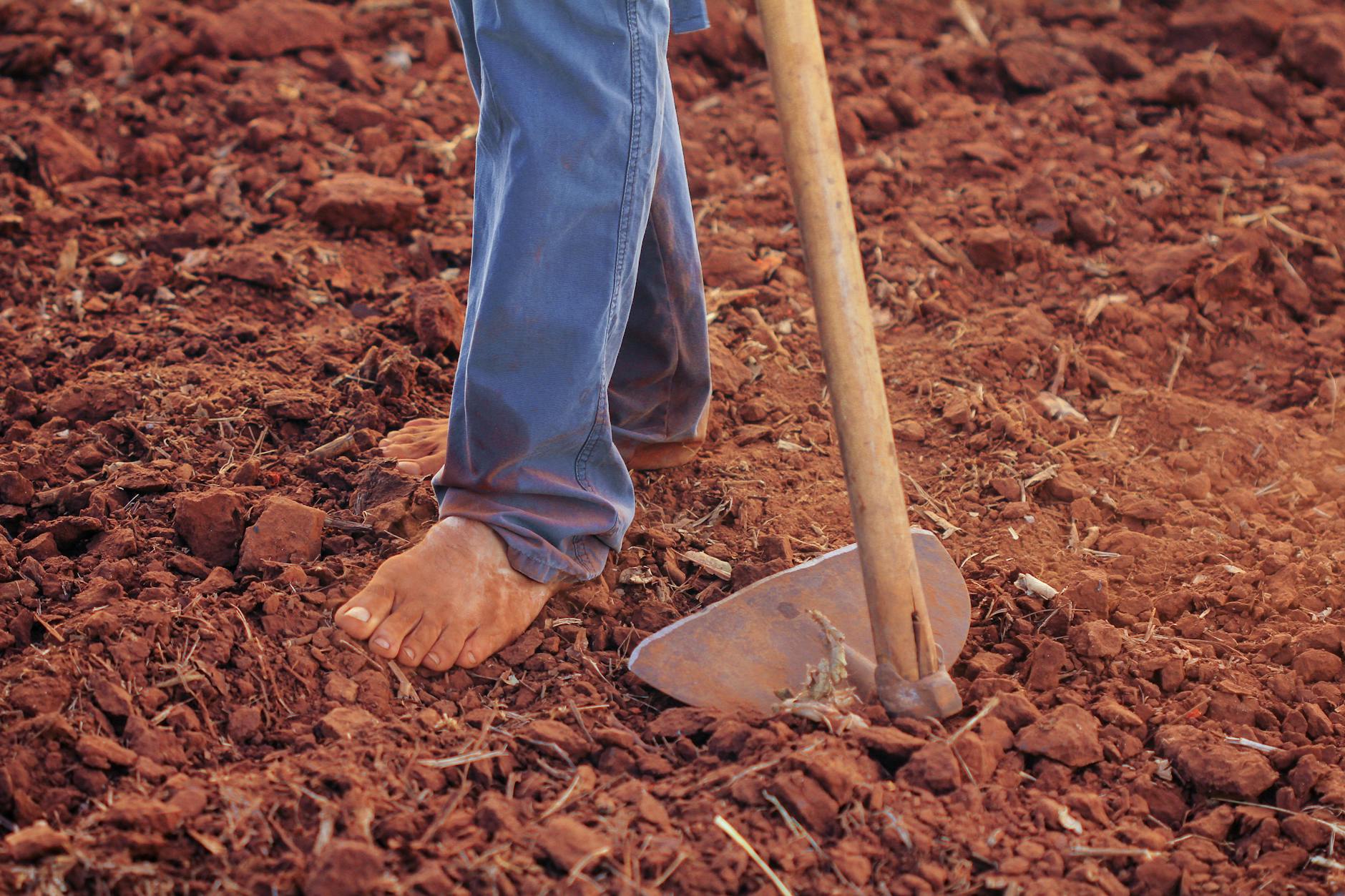
Modern Tilling Practices: A Double-Edged Sword for Soil Resilience
In recent years, the practice of tilling soil has come under scrutiny as new research highlights the unintended consequences of conventional agricultural methods. A groundbreaking study conducted by a team of researchers from the Chinese Academy of Sciences and Harper Adams University reveals that modern tilling techniques, particularly deep plowing using heavy machinery, do more harm than good by disrupting the soil's natural water pathways. As climate change brings about more frequent flooding and drought conditions, understanding and improving soil resilience has become vital for food security and environmental sustainability.
Disruption of Soil Mechanisms
Historically, tilling has been a staple of agriculture for thousands of years, as it prepares soil for planting by managing moisture levels and nutrients. However, the recent findings suggest that extensive soil disruption has detrimental effects on the very systems farmers aim to enhance. According to lead researcher Qibin Shi, the manipulation of soil structure interferes with the natural pathways through which rainwater infiltrates, leading to critical setbacks in crop growth.
The research team employed a sophisticated method using fiber-optic cables to create a dense array of seismic sensors designed to capture minute vibrations in the soil, enabling them to observe how rainfall interacts with differently prepared plots. Their findings, presented on March 19 in the journal Science, demonstrate that soil which has been overly plowed tends to trap rainwater near the surface, causing rapid evaporation and hindering deeper infiltration.
Experimental Design and Observations
The study was conducted at an agricultural research site at Harper Adams University, where 27 plots were prepared with varying tilling depths: one-third were untilled, another third was plowed to a depth of 10 centimeters, and the last third was plowed to 25 centimeters. The plots were also categorized based on the weight of machinery used to till them, which directly affects ground compaction.
Over three days in March 2023, data was continuously collected as rainfall occurred. The crucial observation was that rainwater pooling was significantly more prevalent in plots with deeper tilling and compaction, while the less disturbed soil allowed for better water distribution. "When the soil structure is compromised, the capillary action that facilitates the movement of water is weakened," explained Shi. "This creates a cascade of problems, particularly during periods of intense weather."
The Physics Behind Soil Transformation
To further delve into their findings, the researchers developed a computer model simulating the movement of rainwater through soil. Results indicated that water flows through porous soil not merely due to gravity but through capillary forces—a dynamic interplay between the water's attraction to soil particles and cohesion among water molecules. When soil structure is disturbed, these capillary pathways become blocked or restricted, significantly reducing water efficiency and retention.
As a result, the potential for flooding increases due to surface runoff, while drought resilience is compromised. The findings underscore an urgent need for a paradigm shift in agricultural practices to preserve soil health and optimize water management.
Potential Solutions and Future Monitoring
One promising outcome of the research is the application of fiber-optic sensing technology as a tool for real-time monitoring of soil moisture levels across large agricultural spaces. This capability could significantly enhance farming practices by offering immediate feedback on soil conditions, effectively alerting farmers to evolving challenges such as drought or flooding hazards.
Research also suggests that embracing less disruptive tilling methods could revitalize soil ecosystems, enhancing their natural resilience against climate extremes. By reverting to techniques that prioritize soil integrity, farmers can contribute to a sustainable agriculture industry that aligns with environmental conservation.
Conclusion
As the impacts of climate change intensify and food security becomes increasingly paramount, reassessing traditional farming practices is crucial. This latest research casts a spotlight on the potential consequences of heavy tilling, urging the agricultural community to explore innovative methods that prioritize both productivity and soil health. As scientists and farmers collaborate to implement this understanding in everyday practice, the hope is that both yields and the environment can thrive together.
For more insights into agriculture and sustainability research, check out additional articles from Science News on agriculture topics here.