




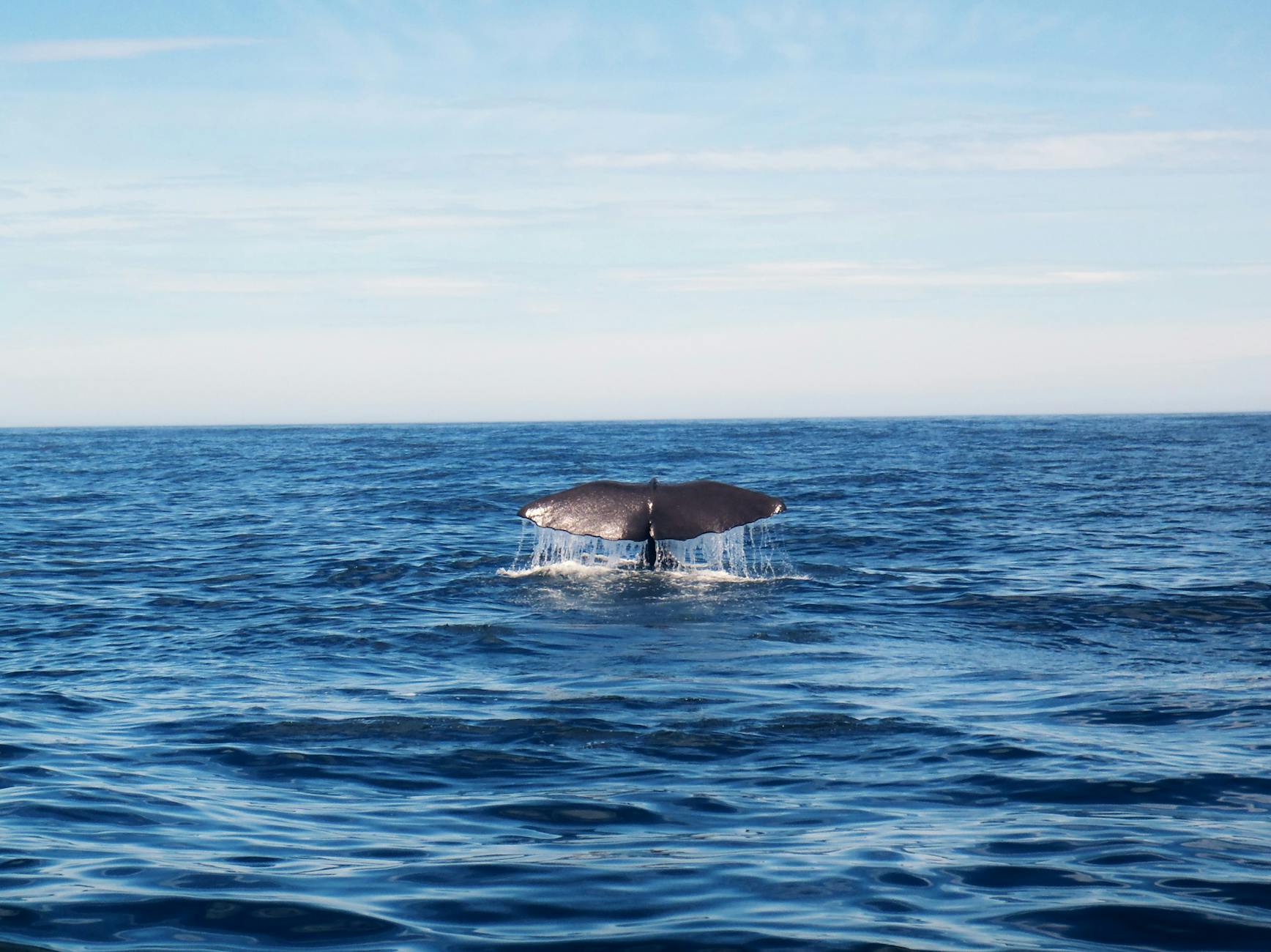
Groundbreaking Discovery: First-Ever Video Capturing Sperm Whale Birth
In a monumental scientific achievement, researchers have successfully recorded the first-ever video of a sperm whale giving birth, revealing insights into the cooperative behavior of these magnificent creatures. This unprecedented footage showcases the intimate details of the birthing process and highlights the social structures and alliances that exist among sperm whales, particularly their strong maternal bonds and communal support.
A Unique Moment Off the Coast of Dominica
The historic event took place off the coast of Dominica, where a team led by marine biologist David Gruber from Project CETI employed aerial drones to document the 34-minute birthing process of a female sperm whale known as Rounder. This remarkable footage not only emphasizes the rarity of observing a whale birth but also showcases the social dynamics involved in the event.
Gruber emphasized the significance of documenting this unique moment, stating, “Not only did we capture such an amazing dataset, but we actually knew each of these whales. This made it possible to tease out the role of each whale in the birthing process.”
The footage reveals that Rounder was not alone during her labor; she was surrounded by 10 other sperm whales, the majority of whom were female and unrelated. This observation is a clear testament to the cooperation and social structures that define sperm whale communities. Like humans, these whales demonstrate the instinct to support others, overcoming natural familial boundaries.
The Role of Social Structure
Throughout the birthing process, the supporting group of whales acted together to ensure the safety of the newborn calf. They created a protective raft by surrounding it and took turns lifting it to the surface, ensuring it could breathe air until it was capable of swimming independently.
Adult female sperm whales naturally exhibit this cooperative behavior, recognizing the potential dangers associated with birth. “The baby sperm whale is negatively buoyant,” explained Gruber. “It would have sunk without the support of the other whales.”
This nurturing behavior has been documented previously in other cetaceans, such as killer whales and belugas, and it highlights an evolutionary trait that could date back to their common ancestral lineage.
Detailed Analysis of Vocalizations
In addition to the breathtaking visual documentation, the research team also recorded the sounds produced by the whales during the birthing process. By graphing these vocalizations, they identified changes in the whales' codas – the specific sounds they make – that corresponded to significant moments during the birth.
Preliminary analysis reveals that a particular coda was heard more frequently at critical moments, illustrating how vocal communication plays a vital role in high-stakes situations, such as the delivery of a calf. Behavioral marine biologist Denise Herzing remarked on the importance of specific sounds linked to behavioral contexts among marine mammals, confirming the research team's findings.
A Happy Accident and Profound Experience
Interestingly, the team was not actively searching for a whale birth when they chanced upon it. Their combination of timing and the presence of the right equipment allowed them to document this extraordinary event. As Gruber expressed, “It was a very profound experience for all of us.”
The collective effort of the human team to gather footage, develop research methodologies, and map relationships among the whales significantly contributed to the successful sharing of this vital biological event with the world.
Conclusion: Insights into Sperm Whale Behavior
The captured footage and subsequent analysis represent an important contribution to marine biology, particularly in understanding the social behaviors of sperm whales. This groundbreaking work not only enriches our understanding of cetacean behavior but also underscores the importance of cooperation in navigating life's challenges, reinforcing a common thread across species, including humans.
As researchers continue to unravel the complexities of marine life, findings such as this provide valuable insight into the bonds that tie social creatures together. This remarkable documentation may pave the way for future studies that further explore the intricate social structures of these majestic beings who roam our oceans.
For further updates on this groundbreaking research, stay connected with Project CETI and the vibrant world of marine biology.