




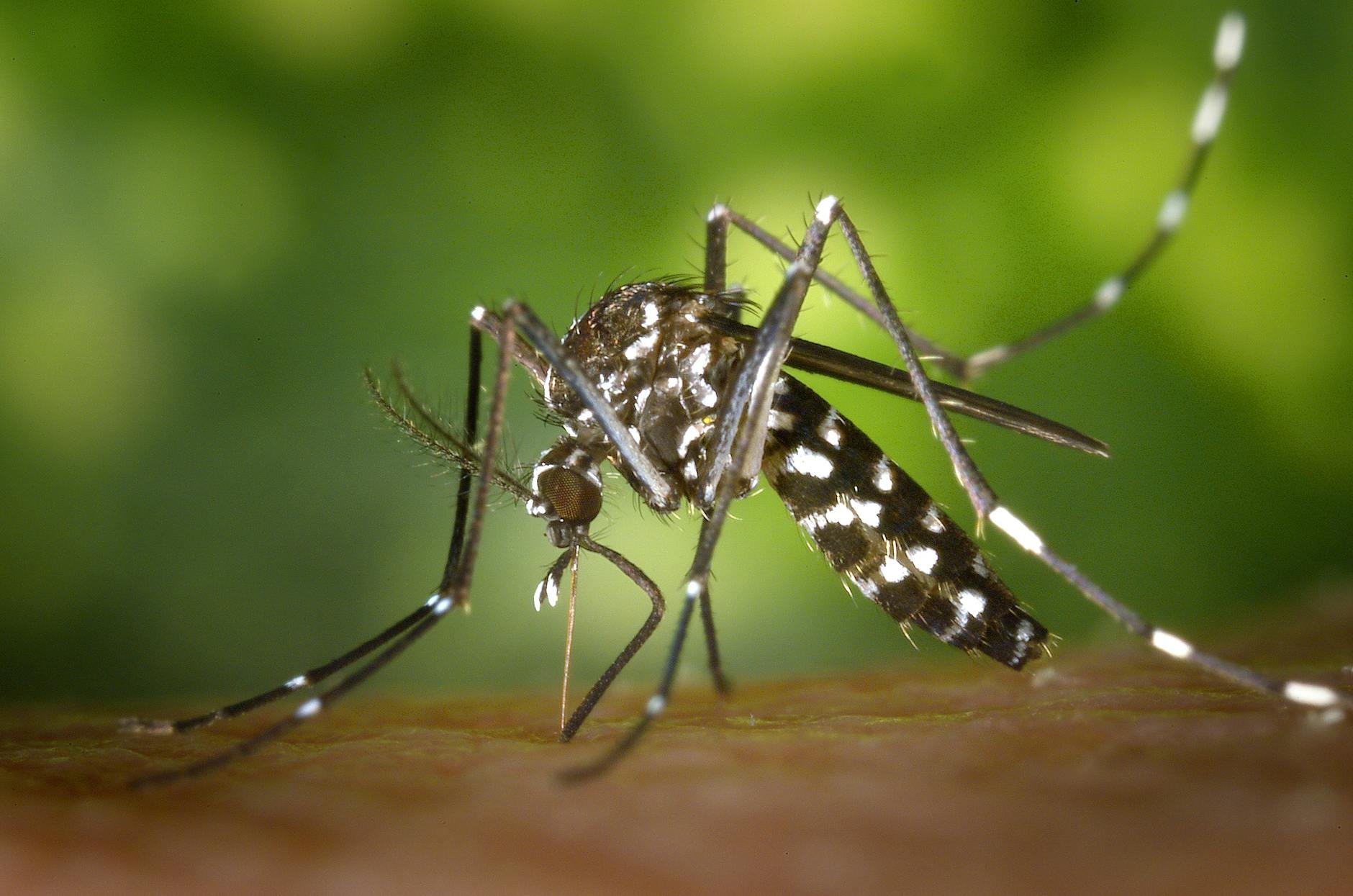
Mosquitoes’ ‘I’m Full’ Signal Comes from Their Butts, Not Their Brains
Mosquitoes, long regarded as a major nuisance and vectors for diseases, have recently revealed a surprising biological mechanism that may help mitigate their threatening appetite. New research suggests that the key to a mosquito’s feeding behavior lies not in its brain, but in its rectum. This discovery could pave the way for innovative strategies to reduce the chances of these insects biting humans.
Neuropeptide Y and Its Role in Appetite Regulation
Historically, researchers have known that female mosquitoes need blood meals to supply necessary proteins and nutrients for egg production. However, the mechanism that informs these insects when they’ve had their fill has been less understood. As noted by Laura B. Duvall, a neuroscientist at Columbia University, female mosquitoes stop seeking blood meals almost entirely after they’ve gorged themselves. This phenomenon could be explained by the action of a biochemical known as neuropeptide Y (NPY). While previously established for influencing appetite across various species, the role of NPY in mosquitoes had not been pinpointed until now.
Duvall and her team made a significant breakthrough. They determined that when the mosquito's gut is full, a special set of receptors—specifically the NPY-like receptor 7—in their rectal pads are activated. The cells here respond to signals indicating that the mosquito no longer needs food, effectively dampening their desire to bite.
Discovery of Rectal Pads
The research, published on March 20 in Current Biology, led to the unexpected discovery of these rectal pads equipped with the appetite-dampening receptors, located at the very end of the mosquito's gut. This contrasts with many animals where similar receptors are predominantly found in the brain.
Utilizing genetic manipulation techniques, Duvall’s team highlighted the specific gut cells, allowing the researchers to visualize the signaling pathways. After feeding, these cells release a chemical known as RYamide, which interacts with the receptors and causes an increase in calcium levels, simulating nerve cell activity. This finding suggests that these rectal cells act comparably to neurons, effectively communicating the fullness status back to the brain.
Implications for Mosquito Control
The ramifications of this research extend far beyond the boundary of mere curiosity. Medical entomologist Rebecca Johnson from the Connecticut Agricultural Experiment Station expressed interest in how the communication between these rectal cells and the nervous system could be harnessed to manage mosquito populations and their feeding behavior.
By understanding this mechanism, it may become feasible to devise chemicals that could trigger the same appetite-suppressing effects in mosquitoes before they reach a host to bite. As Duvall mentioned, targeting these gut receptors might be more practical than modifying their olfactory systems through existing methods like repellents.
This cutting-edge insight into mosquito biology could be critical in combating mosquito-borne diseases such as malaria and dengue fever. With significant portions of the world’s population at risk, finding effective and non-invasive solutions is becoming increasingly vital.
Other Strategies for Controlling Mosquito Populations
While this latest data presents a promising approach, other strategies to mitigate mosquito activity include releasing genetically modified mosquitoes designed to reduce population growth, as well as enhancing current repellent technologies. The discovery of the rectal pads may offer a simpler and more direct avenue for intervention by feeding mosquitoes specific compounds that inhibit their blood-seeking behavior.
Conclusion
As scientists delve deeper into the biology of mosquitoes, findings such as those from Duvall's team reveal these insects to be more complex than previously thought. With this emerging understanding, we may soon be able to undermine mosquitoes' voracious appetites—an essential step in protecting public health and hindering the spread of diseases carried by these infamous pests.
For further reading on animals and their fascinating behaviors, check out more stories from Science News here.