




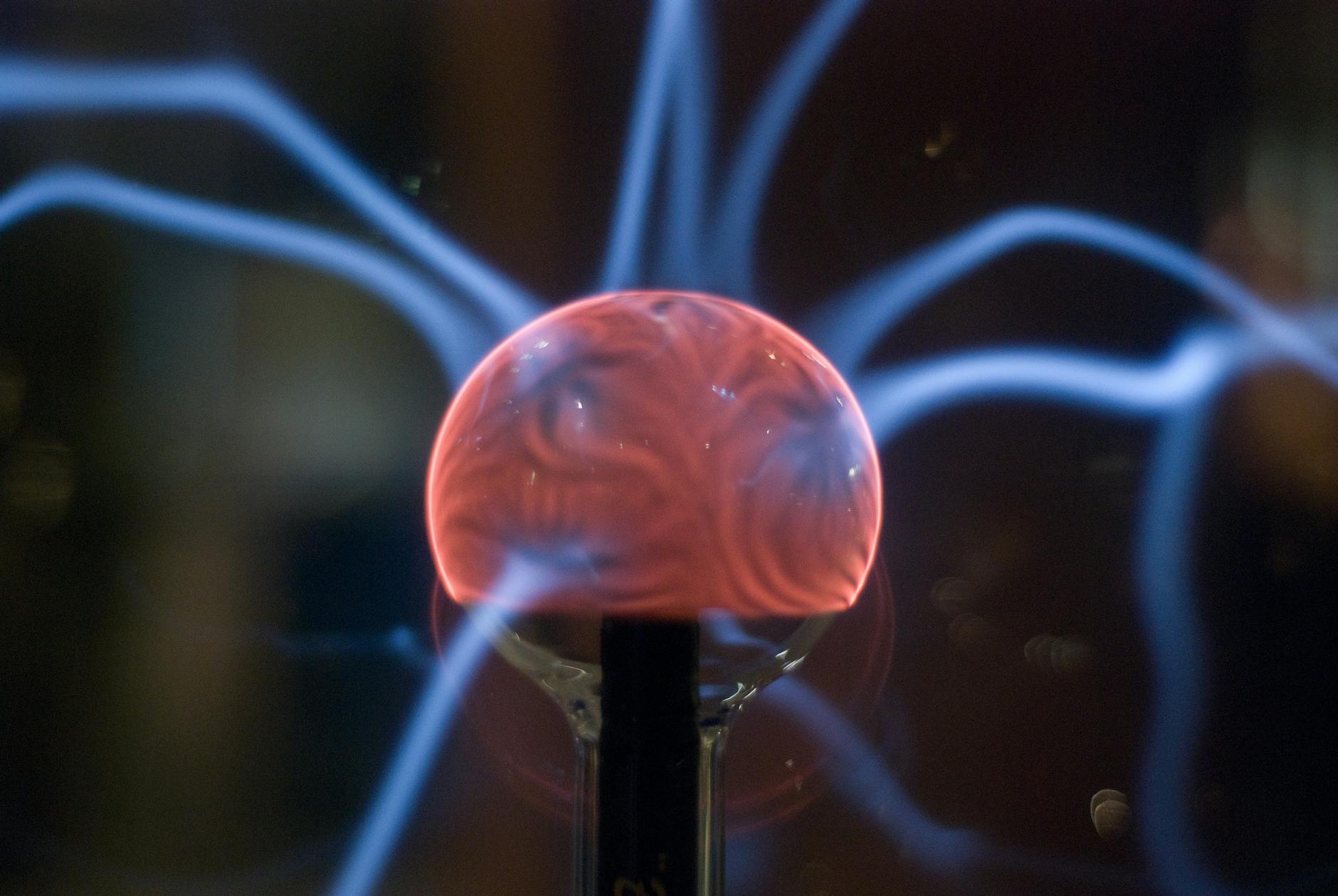
Unraveling the Mystery of Static Electricity: New Research Insights
Denver, CO – Static electricity, a seemingly simple phenomenon that can lead to surprising results, has been the subject of deep scientific inquiry for decades. Despite its commonplace occurrences—like receiving a surprising shock after walking across a carpet or the familiar crackle when touching a doorknob—scientists have struggled to completely understand the fundamental principles that govern charge transfer between materials. Recent research, however, illuminates a hidden factor influencing static electricity: the presence of a carbon-rich layer coating many surfaces.
Uncovering the Mechanism of Charge Exchange
In a study published in the March 19 edition of Nature, a team of researchers led by physicist Scott Waitukaitis brought new insights into how similar materials interact electrically. “Static electricity is not child’s play,” Waitukaitis emphasized during a talk at the American Physical Society’s Global Physics Summit. “Quite literally, it could be the reason that we have ground to stand on,” referring to the vital role static charge plays in processes that shape our planet.
When identical silica particles collide, one particle becomes positively charged while the other becomes negatively charged. What determines which gets which charge had remained ambiguous—until now. By experimenting with silica, a common material found in nature and extensively employed in manufacturing, the team set out to determine the influencing factors.
Innovative Methodology
Using acoustic levitation—a technique that employs sound waves to suspend objects midair—the researchers dropped a tiny silica sphere onto a silica plate and measured the resulting charge. This method mitigated any potential interference from direct contact between the particles, providing a purer experimental setup.
The results revealed that surface conditions significantly impacted charge distribution. For instance, when the silica surfaces were subjected to heat treatment, the resulting charging tendencies shifted considerably. Spheres heated to 200° Celsius before cooling consistently ended up negatively charged, while those cooled after heating the plate became positively charged. A similar result emerged from treatment with plasma, which also altered the charging behavior based on how the materials had been pre-treated.
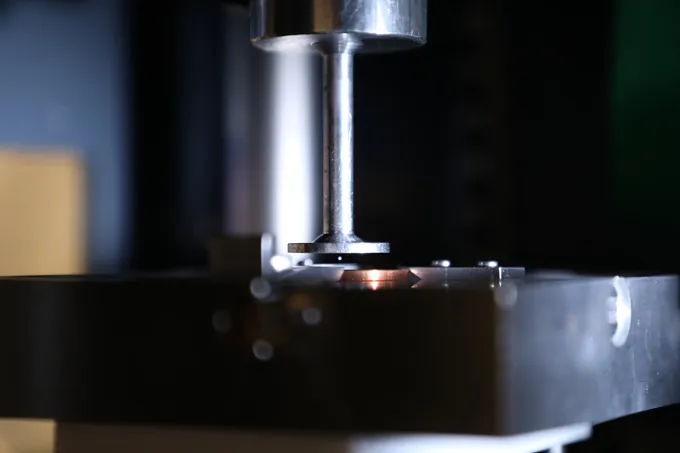
Researchers levitated a tiny silica sphere (center) using sound waves before dropping it onto a silica plate below to measure the charge gained. Credit: Galien Grosjean
The Role of Surface Contamination
Upon investigating the surfaces of the treated silica, the researchers noted that the heat and plasma treatments removed a thin layer of carbon-rich molecules—often referred to as a "carbon cake"—that accumulates on virtually all objects exposed to the atmosphere. This newfound recognition that surface contaminants can drastically influence static charge behavior marks a pivotal advancement in the field.
The study suggests that the presence and composition of these carbon layers can dictate the nature of charge exchange during material contact. According to chemical engineer Daniel Lacks, who was not affiliated with the study, “the simultaneous shifts in carbon layer and charging behavior really nailed it down.” The phenomenon is seen as a definitive proof of the substantial impact uncontrolled surface contaminants have on charge transfer, resonating with findings from other research that have identified various factors influencing static electricity.
Wider Implications and Future Research
While the study advances understanding specifically in the context of silica and insulating oxides, its implications could extend to a broad array of materials and electrical systems. As observed by materials scientist Laurence Marks, uncontrolled contamination on surfaces has historically been overlooked, and the new findings underscore the necessity of scrutinizing surface conditions in future electric charge experiments.
Researchers are now left with pivotal questions regarding how precisely these surface alterations affect charge transfer processes. They aim to explore not only surface effects but also additional aspects like material smoothing and frequency of contact, which have already demonstrated varying influences on static electricity in previous studies.
This renewed focus on the intricate dance of electricity lays the groundwork for advancing technology in numerous fields, from material science to electronic manufacturing. It underscores the complex, often overlooked factors that significantly dictate the behavior of materials in an electrically charged environment.
For those interested in the nuances of static electricity and its groundbreaking implications, the full research findings are available in the March 19 issue of Nature.
Additional Resources:
- More about acoustic levitation techniques.
- Explore the role of electric charges in planetary formation.
As the study of static electricity continues to evolve, one thing remains certain: the quest to unravel its mysteries could hold the key to innovations that enhance our understanding of both our world and the technology that shapes our lives.