





Trust Issues: New Research Unveils Inconsistencies in Gut Microbiome Testing
In an era where personalized health information is more readily available than ever, consumers might be unknowingly placing their trust in inaccurate gut microbiome tests, according to recent research. A study published on February 26, 2026, in Communications Biology reveals significant discrepancies among results provided by various direct-to-consumer microbiome testing companies. As individuals turn to these tests seeking insight into their gut health, the implications of this research raise urgent concerns about the reliability of the information they receive.
The Groundbreaking Experiment
A collaborative effort by researchers at the University of Maryland in Baltimore and the National Institute of Standards and Technology (NIST) in Gaithersburg, Maryland, highlighted the flaws in microbiome testing. The researchers sent identical fecal samples to seven different microbiome testing companies, each of which returned varied results regarding the presence of gut microbes.
Scott Jackson, a molecular geneticist formerly at NIST, noted that consumers who rely on these results may face serious consequences. "Individuals may take probiotics they don’t need or alter their diets in ways that could be harmful based on inaccurate results", he cautioned.
Dr. Stephanie Servetas, a microbiologist at NIST, explained how the team created a standardized fecal sample "by putting bowel movements from multiple people in a blender" to form a homogeneous mixture, thereby allowing for a robust comparison of results. “What this material is meant to do is really to say how reproducible are the results, either between companies or within a company,” she stated during a news briefing.
Discrepancies in Results
The findings of the study illustrated notable differences in how companies interpret the same samples. While some laboratories demonstrated consistency in identifying the gut microbiota across samples, others showed alarming variability. One company, for instance, labeled two results as indicative of a "healthy" microbiome while categorizing a third test result from the same sample as "unhealthy." Such classifications can lead consumers to make health decisions based on flawed data.
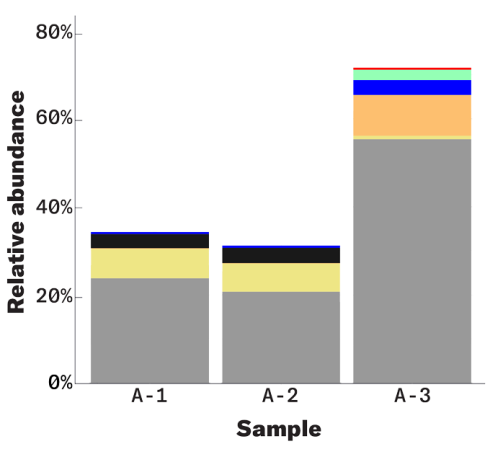
Despite some companies identifying similar bacterial types among the replicated samples, the quantities recorded varied significantly, highlighting that discrepancies in testing were similar to variations seen in samples from different individuals.
Call for Standardized Guidelines
In light of these findings, NIST has begun marketing the fecal standard to testing companies. This initiative aims to improve calibration and quality control, which may lead to advancements in testing methodologies in the future. Servetas emphasized that the intention is not to stifle innovation or force uniformity among testing companies but to establish minimum guidelines and standards to ensure more dependable results for consumers.
Industry Implications
The implications of this study are profound. As the market for microbiome testing continues to grow, understanding these inconsistencies is crucial in educating consumers to make informed healthcare choices. The research suggests an urgent need for oversight and the establishment of standardized protocols within the microbiome testing industry to ensure that consumers can trust the information they rely on for their health decisions.
While the potential health benefits of understanding one’s gut microbiome are significant, this study underscores that consumers must approach these testing services with a discerning eye. With inaccurate results possibly leading to misguided health actions, the conversation around gut health requires increased clarity and accuracy.
Additional Reading
For further insights into health and medicine, explore related topics:
- Mosquitoes began biting humans more than a million years ago
- An African monkey ate a rope squirrel and came down with mpox
- A lab on wheels is tracking HIV spread in war-torn Ukraine
As the science surrounding the microbiome advances, so does the critical need for accuracy and transparency in testing—imperative for the well-being of consumers navigating the complexities of their health.