



Polar Bears Defy Climate Trends: Surprising Fat Gains Despite Sea Ice Loss in the Barents Sea
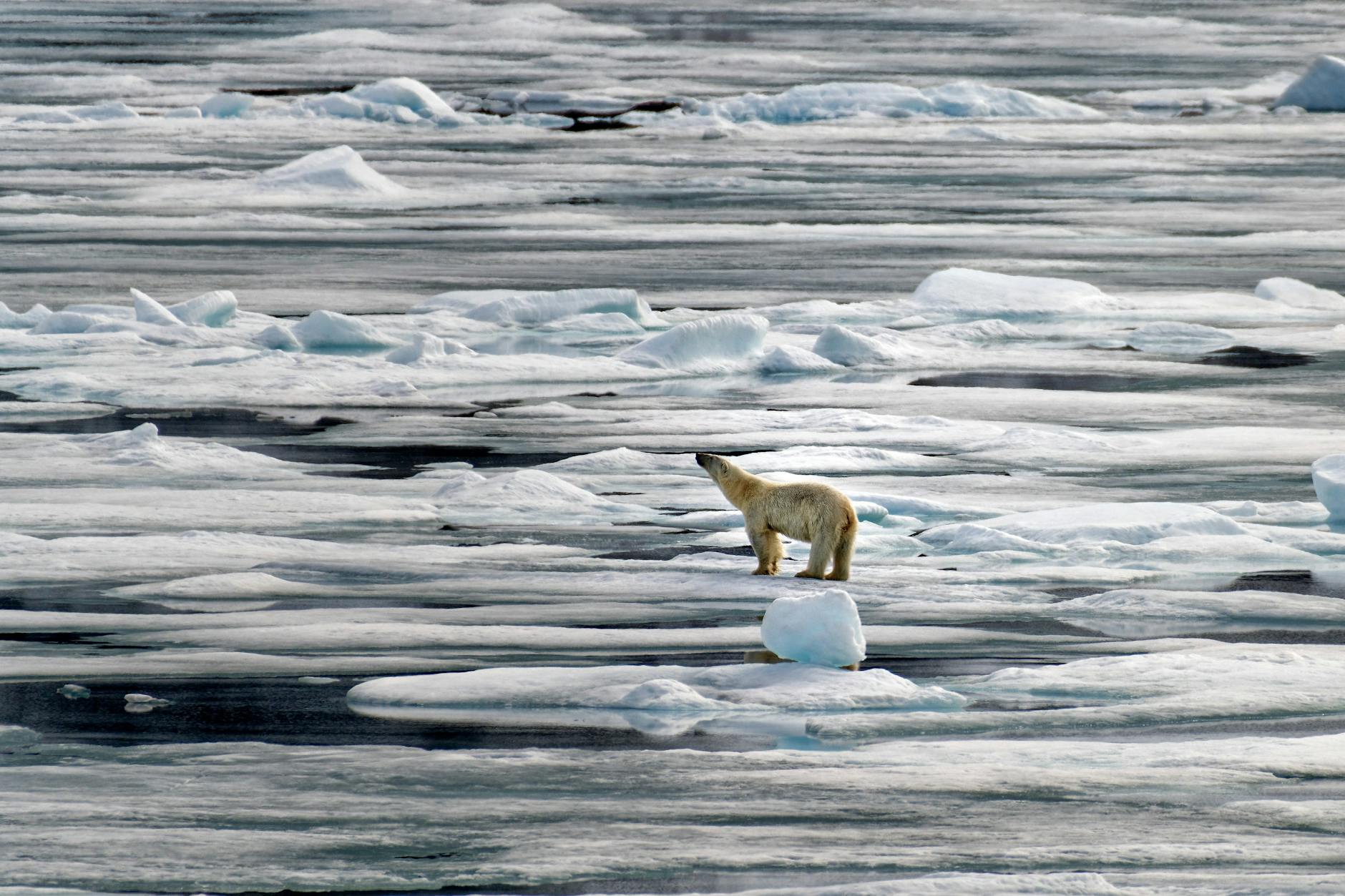
As the Arctic grapples with rising temperatures and swift sea ice receding at alarming rates, one might expect polar bears in the region to suffer significant declines in health and fat reserves. However, researchers have unveiled a surprising twist: the polar bears residing around the Svalbard archipelago, approximately 800 miles north of the Arctic Circle, have maintained their fat levels remarkably well, according to a new study published in Scientific Reports on January 29.
A Unique Habitat at Risk
The polar bear populations are divided across 20 distinct groups within the Arctic, each facing unique challenges that stem from the ongoing climate crisis. Among the primary threats to these majestic creatures is the gradual loss of sea ice, their essential hunting ground. Polar bears rely heavily on sea ice, which dramatically fluctuates between winter and summer, to pursue seals—one of their main food sources. Typically, declining sea ice correlates with a decrease in the bears' fat stores, making it possible to predict a population's future health and reproductive rates.
The Barents Sea, encasing Svalbard, is noted for its extreme rates of sea ice loss—twice as rapid as other polar bear habitats. This setting poses an intriguing case for researchers monitoring the bears' adaptation in the face of escalating environmental change.
Surprising Findings: Increased Fat Reserves
The research team, led by polar bear ecologist Jon Aars from the Norwegian Polar Institute in Tromsø, scrutinized data spanning from 1995 to 2019 for 770 adult polar bears. Surprisingly, they discovered that despite a reduction of approximately 100 days of sea ice cover in the area, the polar bears on Svalbard have gained fat instead of losing it.
Aars remarked, “We’ve seen that the polar bears are actually able to do quite fine with the conditions in Svalbard today, although they’re quite different from what they were 20, 30 years ago.” This anomaly could be attributed to the bears adapting their diet to include more land-based prey, like reindeer, as well as a thriving population of harbor seals that benefit from the warmer conditions.
A Cautious Optimism
While the results present a glimmer of hope regarding the adaptability of polar bears, Aars warns of a precarious future. “That doesn’t mean that polar bears are going to do fine in the future,” he cautioned. As sea ice continues to vanish, there are limits to how long the bears can maintain their weight and health. Researchers stress that they foresee an eventual threshold where continued climate change will begin to take a severe toll on the bears' well-being.
The implications of this research extend beyond the immediate health of polar bears; they offer insights into the adaptability of Arctic ecosystems and the intricate balance of species interactions in the face of environmental changes.
Conclusion: A Fragmented Future
The findings from the Barents Sea underscore the complex dynamics at play in the Arctic ecosystem, where some species may adapt better than others to changing conditions. However, the overall narrative of climate change remains dire. With diminishing sea ice, polar bears and other Arctic species face a long-term battle for survival.
As the story of the Svalbard polar bears unfolds, it serves as a crucial reminder of the urgency to address climate change globally. Understanding and mitigating the effects of rising temperatures is essential for the preservation of not just polar bears but the entire Arctic ecosystem.
For more stories on climate change and its impacts on biodiversity, visit Science News' Climate section.